Trump responds to Supreme Court setback
President Donald Trump sharply criticized the Supreme Court after it ruled 6 to 3 that he lacked authority to impose sweeping tariffs under a national emergency law.
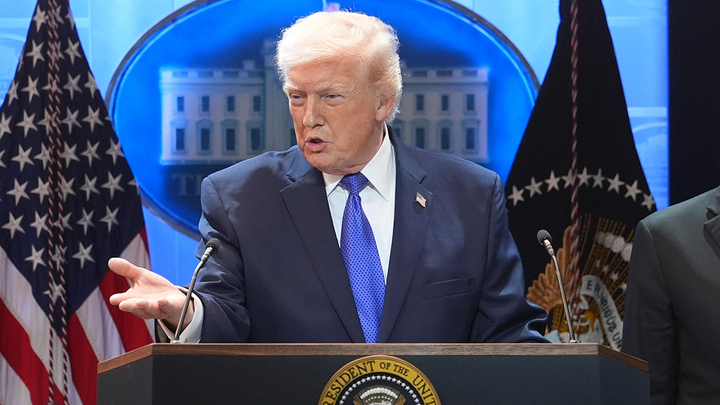
Speaking at the White House, Trump called the decision deeply disappointing and said he would move quickly to find other legal paths to continue his trade strategy. He insisted the administration has strong alternatives and suggested future measures could generate even more revenue.
The ruling centered on the International Emergency Economic Powers Act. The court concluded that the law does not grant the president the power to impose tariffs. In its written opinion, the justices said their task was to decide whether the authority to regulate imports under that statute includes the power to create tariffs. They determined it does not.
New 10% global tariff announced
Within hours of the decision, Trump announced a new step. He said he would sign an order placing a 10% global tariff under Section 122 authority, on top of existing tariffs already in place.
In addition, he revealed plans to begin new Section 301 investigations and other trade probes aimed at what he described as unfair practices by foreign governments and companies.
Trump argued that tariffs have brought in hundreds of billions of dollars and strengthened the country’s negotiating position. He also accused certain justices of lacking courage and suggested the court had been influenced by political forces.
Mixed Republican reaction
The decision triggered divided reactions among Republicans.
Rep. Buddy Carter criticized the ruling, saying it weakens the president’s ability to protect American workers. He described the decision as judicial overreach.
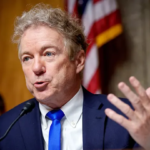
Sen. Rand Paul, however, praised the outcome. He said the court correctly blocked the use of emergency powers to impose taxes and argued the ruling protects constitutional checks and balances.
Rep. Don Bacon also supported the decision. He pointed out that Article I of the Constitution gives Congress authority over tariffs. Beyond legal concerns, he added that broad based tariffs are not sound economic policy.
Meanwhile, House Speaker Mike Johnson said lawmakers and the administration will work together to determine the next steps. He acknowledged that tariffs have produced revenue and leverage in trade talks, but noted discussions are ongoing about the best path forward.
Broader implications
The Supreme Court’s ruling marks a significant moment in the debate over executive power. It does not end Trump’s tariff efforts, but it limits the use of emergency authority for that purpose.
With the State of the Union approaching and several justices expected to attend, tensions between the executive branch and the court remain high. For now, attention shifts to how the administration will implement its newly announced global tariff and whether Congress will play a larger role in shaping future trade policy.