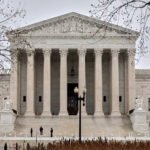
The US Supreme Court has blocked several of Donald Trump’s global tariffs, ruling that the law he used did not allow him to impose them. This decision could lead to billions in refunds for small businesses and states that challenged the duties, marking a major setback for one of Trump’s top trade policies.
Legal Arguments
The Trump administration said the tariffs were justified under the International Emergency Economic Powers Act (IEEPA) of 1977. The law allows the president to regulate trade during national emergencies. Trump argued the tariffs targeted drug trafficking and trade imbalances and would boost US manufacturing and investment.
Challengers countered that IEEPA never mentioned tariffs. Lawyers said Congress did not intend to give the president power to override existing trade agreements or impose new duties. Chief Justice John Roberts agreed, stating, “When Congress delegates tariff powers, it does so explicitly and within strict limits.”
Scope of the Tariffs
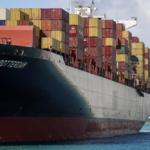
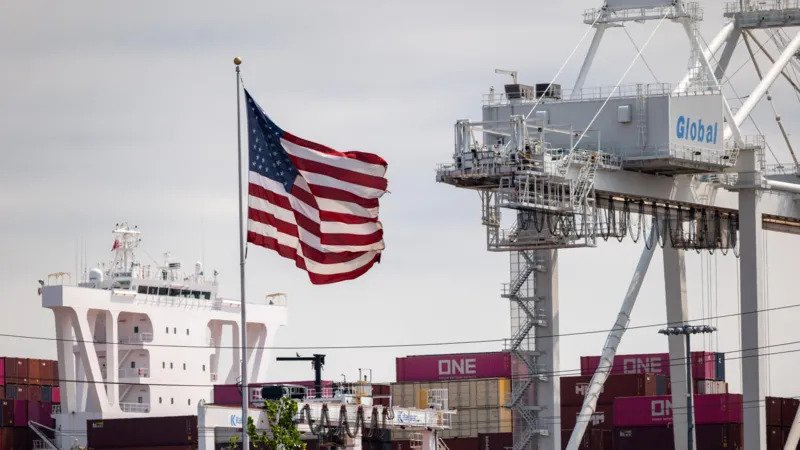
The tariffs affected goods from almost every country. They started with Mexico, Canada, and China before expanding globally in April, a day Trump called “Liberation Day.” Businesses protested the sudden import taxes, warning they could raise prices and disrupt supply chains.
Impact on the Administration
The case tested Trump’s expansion of presidential powers and the court’s willingness to challenge policies central to his administration. Five conservative justices, including Trump nominees Amy Coney Barrett and Neil Gorsuch, supported the ruling. Justices Clarence Thomas, Brett Kavanaugh, and Samuel Alito dissented.
The ruling demonstrates the court’s careful approach to presidential trade powers and may shape future international economic policies.