
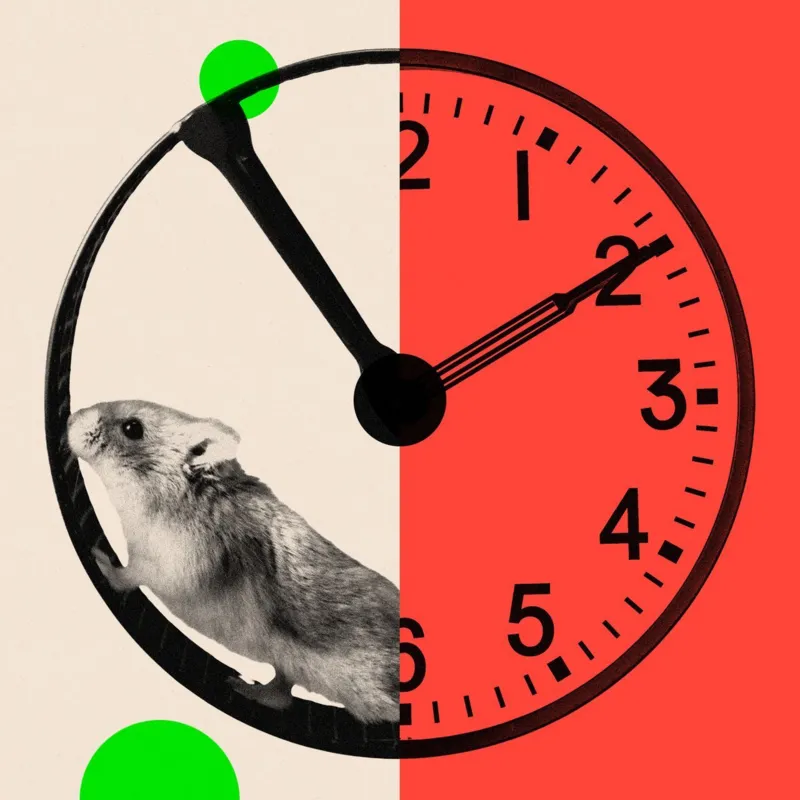
The race to dominate artificial intelligence has sparked a new work trend in the tech world. Some companies now expect employees to work nearly 70 hours a week. This intense schedule, known as 996, means working from 9am to 9pm, six days a week.
While many workers find this exhausting, some tech firms see it as the price of staying ahead.
The Rise of 996 in the United States
A New York based AI company, Rilla, openly promotes long work hours in its job listings. The company offers high pay, free meals, gym access, and health benefits. However, it clearly states that employees should expect to work around 70 hours a week.
Leaders at the company say they want highly driven people. They compare their team to elite athletes who stay focused and obsessed with winning. According to them, the structure is flexible. If someone works late into the night, they can start later the next day.
This mindset is spreading across AI start ups. As investment pours into artificial intelligence, companies feel pressure to move fast. Founders worry that if they slow down, a competitor will launch first.
The Origins of 996 Culture
The 996 work culture first gained attention in China about ten years ago. Major tech leaders supported it. Alibaba founder Jack Ma once described working 996 as a blessing. JD.com founder Richard Liu also defended long work hours and criticized employees who lacked drive.
However, many workers pushed back. They complained about unpaid overtime and ignored labor laws. Public criticism grew so strong that Chinese authorities stepped in. In 2021, regulators tightened rules around excessive working hours.
Although the practice still exists in some areas, public support has faded. Leaders who openly defended extreme work demands have faced backlash and even lost their positions.
Why AI Start Ups Support Long Hours
Today, the 996 model has found new supporters, especially in AI focused companies in the United States and Europe.
Recruitment experts say venture funded AI start ups often push long hours. They believe speed determines success. If a team builds and launches first, they win funding and market share.
Magnus Müller, co founder of Browser Use, runs a small AI company developing tools that help AI systems interact with web browsers. He lives and works in a shared hacker house with his team. For him, long hours feel natural.
He says solving complex AI problems requires deep focus. In his view, people who treat the job like a standard 40 hour position may not thrive in such an environment.
The Debate Around Hustle Culture
Not everyone agrees with this approach. Some investors argue that forcing extreme schedules often leads to burnout. They believe young founders make a mistake when they demand nonstop work from their teams.
Critics warn that creativity suffers when employees feel exhausted. In the long run, companies may lose talented workers who want balance.
The 996 work culture in the tech industry reflects a deeper issue. The AI gold rush has created urgency and fear of missing out. While some employees enjoy the intensity, others question whether constant hustle truly leads to lasting success.