
Why City Lights Remains a Masterpiece
Ninety-five years after its release, Charlie Chaplin’s silent comedy City Lights continues to be hailed as one of the greatest films ever made. In 1966, when asked by Life Magazine about his favorite film, Chaplin named City Lights, modestly calling it “solid, well done.”
The British Film Institute listed City Lights as the joint second greatest film of all time alongside Chaplin’s The Gold Rush (1925).
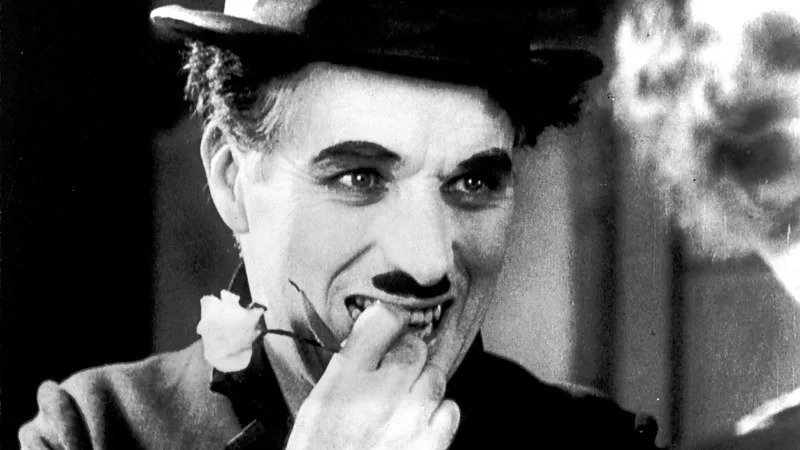
trampThe film’s final sequence is legendary. After the Tramp helps the flower girl regain her sight by secretly providing money for her treatment, he leaves quietly. Their reunion, captured in a simple, emotional close-up, is widely regarded as cinema’s greatest ending.
He used long shots for comedy and close-ups for drama. The final scene is a perfect example of that technique,” Marland explains.
Chaplin’s direction kept the scene natural. After multiple takes, he told Cherrill to stop overacting.This subtlety made the moment unforgettable.
Why the Ending Still Resonates
Chaplin also left the ending ambiguous, allowing viewers to interpret the story. Some see a romantic reunion, while others suggest the flower girl’s reaction is one of pity. The nuanced performance and layered emotions leave audiences deciding the Tramp’s fate.
Other films have tried to replicate this final-shot magic. From The 400 Blows to Moonlight, and even Pixar’s Monsters, Inc., directors pay homage to Chaplin’s subtle storytelling. The influence of City Lights is visible in countless films where characters stare silently at the camera to convey complex emotion.
The Legacy of Chaplin’s Tramp
City Lights proves that emotion, simplicity, and precise performance can create timeless cinema. Chaplin’s Tramp, struggling yet kind, continues to inspire filmmakers and audiences alike, reminding the world that subtlety often leaves the greatest impression.