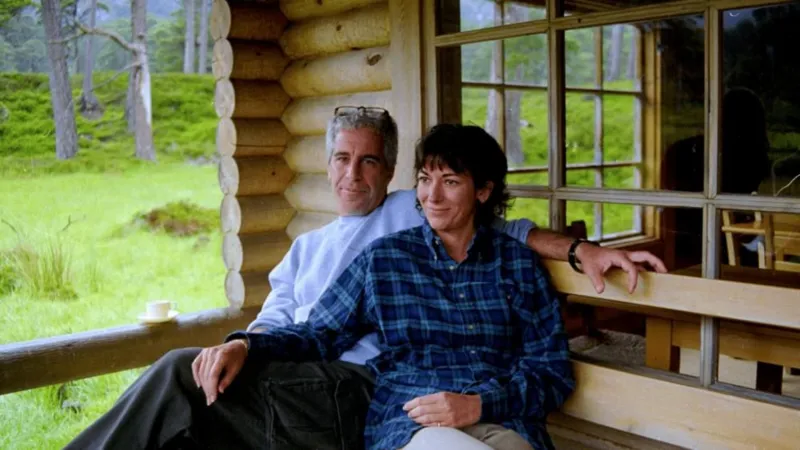
Ghislaine Maxwell, convicted for her role in Jeffrey Epstein’s sex trafficking ring, declined to answer questions from the US House Oversight Committee on Monday. The virtual deposition took place from the Texas prison where she is serving her 20-year sentence.
Republican Committee Chairman James Comer said Maxwell’s decision to invoke the Fifth Amendment was expected. “This is obviously very disappointing,” he stated.
Democratic Lawmakers Raise Concerns
Democratic Representative Melanie Stansbury told reporters Maxwell appeared to use the hearing to “campaign for clemency.”
Comer added that speaking to Epstein survivors made it clear Maxwell was “a very bad person” who should not receive immunity.
Survivors Urge Skepticism
Before the deposition, Epstein survivors sent a letter to the Oversight Committee urging lawmakers to be cautious. They criticized Maxwell for not identifying powerful men involved in Epstein’s trafficking and for refusing to cooperate with authorities.
They warned that giving her special treatment or credibility in testimony could be devastating for survivors.
Questions on Co-Conspirators and Trump
Democratic Representative Ro Khanna planned to ask Maxwell about a court filing naming “four co-conspirators” and 25 others not indicted. He also wanted to discuss Maxwell and Epstein’s social relationship with former President Donald Trump and whether Trump ever considered a pardon.
Trump denies wrongdoing and claims he cut ties with Epstein decades ago. He has not been accused of crimes by Epstein’s victims.
Khanna noted that Maxwell’s silence in Monday’s deposition contrasts with her previous meeting with Deputy Attorney General Todd Blanche, where she did not plead the Fifth and denied witnessing inappropriate behavior by Trump or former President Bill Clinton.
Access to New Epstein Files
This hearing coincides with the Department of Justice releasing millions of pages of new files from the Epstein investigation. Congress members can now view the un-redacted documents in person.
Blanche rejected claims of a cover-up, stating there is no hidden information or selective prosecution.