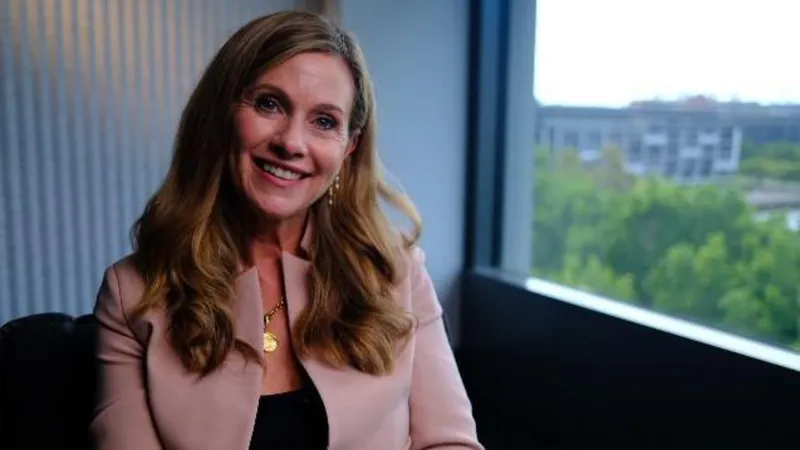
Julie Inman Grant leads Australia’s eSafety Commission, and her role has placed her at the center of one of the country’s biggest digital debates. Even before interviews begin, conversations often turn to the serious threats her office receives every week. Many of those attacks target her personally.
As head of the national online safety regulator, Inman Grant deals with issues such as misinformation, online abuse, censorship, and child protection. She describes the internet as a difficult space to manage, especially when harmful content spreads quickly. Over the past few years, she has faced doxxing by extremist groups and public clashes with powerful tech leaders. Some members of the US Congress have also criticized her work.
After spending decades in the private tech sector, she now regulates the very companies she once worked alongside. That shift has made her one of Australia’s most recognized public officials. It has also made her a frequent target of online hostility.
Australia’s Social Media Ban for Teenagers
The biggest challenge in her career so far is enforcing Australia’s new social media ban for children under 16. The law came into effect on 10 December and applies to ten major platforms. These include Facebook, Instagram, Snapchat, and YouTube.
The government says the goal is simple. It wants to protect young users from harmful content, cyberbullying, and online predators. Many parents support the move. Some say the law helps them set boundaries at home, especially when younger teens push to join social media platforms.
However, critics argue that banning teenagers is not the right solution. Technology experts believe children should learn how to use digital platforms safely instead of being blocked from them. Child wellbeing advocates also question how authorities will enforce the ban in practice.
Concerns About Fairness and Access
Some groups worry the policy could harm vulnerable teenagers. Rural children often rely on social media to stay connected. Disabled teens may use online platforms to find support networks. LGBTQI+ young people, in particular, often build communities online when they lack support in their local areas.
Opponents fear the ban could isolate these groups. They also question whether platforms can reliably verify users’ ages without raising privacy concerns.
Despite the criticism, Australia has moved ahead with the law. The world now watches closely to see whether this bold social media experiment will succeed or create new challenges.