Russia Commits to Maintaining Nuclear Limits
Russia has agreed to observe the limits of the New START nuclear arms treaty even after it expired last week, provided the United States continues to follow them. The treaty’s expiration on February 5 leaves the world’s two largest nuclear powers without restrictions for the first time in over 50 years. Experts warn this could trigger an unconstrained arms race.
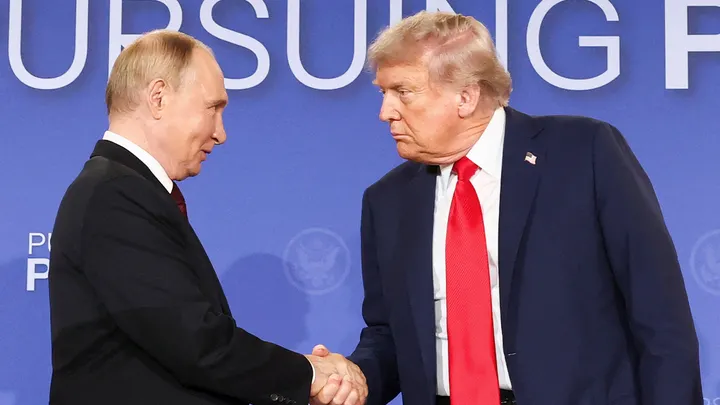
In September, President Vladimir Putin said Russia would honor the treaty for an additional year post-expiration if the U.S. did the same. However, former President Donald Trump has argued that any new agreement should include China, a proposal Beijing has rejected.
Trump wrote on Truth Social after the treaty expired, suggesting that instead of extending the old deal, U.S. nuclear experts should create a “new, improved, and modernized” treaty that could last well into the future.
U.S. and Russian Reactions
The White House referred to Trump’s post when asked for comment on the now-expired treaty. Meanwhile, Russian Foreign Minister Sergey Lavrov told lawmakers that Moscow would act responsibly, based on analysis of U.S. military policies.
Lavrov added that Russia believes the U.S. intends to maintain the treaty limits for the foreseeable future. “We will monitor how things unfold,” he said. “If Washington confirms its intent to cooperate, we will actively work on a new agreement and address remaining strategic stability issues.”
Treaty History and Provisions
The New START Treaty was signed in 2010 by President Barack Obama and Russian President Dmitry Medvedev, entering into force on February 5, 2011. It capped each side at 700 deployed ICBMs, SLBMs, and nuclear-capable bombers; 1,550 deployed warheads; and 800 deployed and non-deployed launchers and bombers.
The treaty was designed to ensure both nations maintained these limits until it formally expired last week.
Next Steps After Expiration
The treaty’s expiration comes after recent U.S.-Russia talks in Abu Dhabi. Axios reported that both nations were close to agreeing to observe the treaty for six months while negotiating a new deal. This temporary arrangement could allow discussions on an updated strategic agreement to continue safely.