IOC Blocks Vladyslav Heraskevych From Competing
The Milan Cortina 2026 Winter Olympics faced a major controversy after Ukraine’s skeleton athlete Vladyslav Heraskevych was banned from competition.
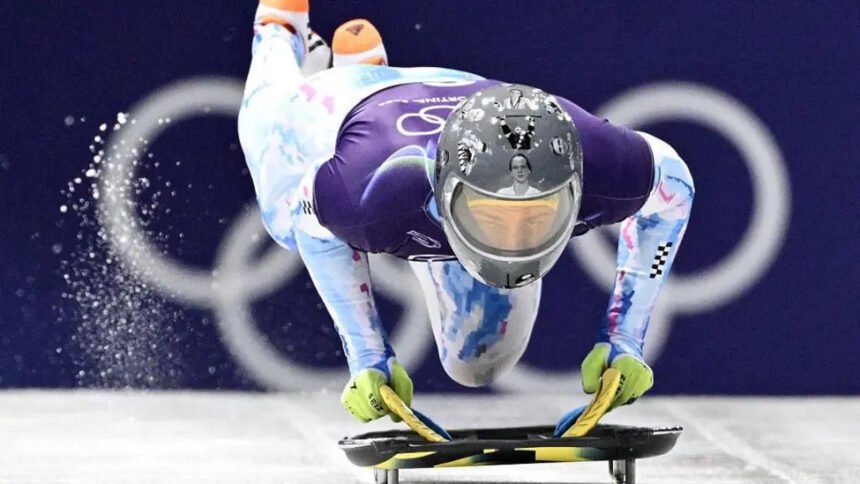
Heraskevych planned to race wearing a helmet that displayed artwork honoring Ukrainian athletes killed during Russia’s invasion. He had already used the helmet during training sessions and media appearances. However, the International Olympic Committee stopped him from wearing it in official competition.
After two days of discussions, officials confirmed his disqualification on Thursday morning when he refused to compete without the helmet.
Why the IOC Took Action
The IOC based its decision on Rule 40.2 of the Olympic Charter. This rule allows freedom of expression but requires athletes to respect Olympic values and follow guidelines set by the IOC Executive Board.
In 2023, the IOC updated its athlete expression rules. These guidelines state that competition areas must remain neutral. Officials want the focus to stay on sport and performance, not politics, religion, or other causes.
Athletes can express personal views in media interviews, on social media, and at certain moments before competition. However, they cannot display political messages during competition, medal ceremonies, or inside the Olympic Village.
The IOC first mentioned Rule 50, which bans political demonstrations at Olympic sites. Later, officials clarified that Rule 40.2 formed the main basis for the decision.
IOC President Appeals for Compromise
IOC President Kirsty Coventry met Heraskevych and his father early on the morning of the event. She tried to find a solution that would respect his message while following Olympic rules.
Coventry proposed that he honor the tribute before racing and then display the helmet again after finishing. She noted that spectators would barely see the artwork during the run. Despite her efforts, both sides failed to reach an agreement.
Coventry later described the message as powerful and meaningful. She appeared emotional after the meeting and said she truly wanted to see him compete.
IOC Defends Neutrality
IOC spokesperson Mark Adams defended the ruling during a tense press conference. He warned that allowing political messages during competition could create chaos.
He said the Red Cross reports around 130 active conflicts worldwide. If the IOC allowed one tribute, others might follow. He argued that athletes could face pressure from governments to make political statements during events.
Adams rejected claims that Russian officials influenced the decision. He insisted the IOC acted to protect fairness and maintain a level playing field.
Appeal to the Court of Arbitration for Sport
Heraskevych told CNN Sports that he plans to appeal the decision to the Court of Arbitration for Sport. CAS can form emergency panels during the Games, so a hearing could happen quickly.
Meanwhile, the IOC restored his accreditation. He can remain in the Olympic Village and attend events, even though he cannot compete.
A Growing Debate at the Olympics
The ban has sparked global debate. Some people support the IOC’s commitment to neutrality. Others believe athletes should have the right to honor victims of war on the world stage.
The case highlights the ongoing tension between sport and politics at the Olympic Games. As Milan Cortina 2026 continues, the discussion around athlete expression and Olympic neutrality remains intense.