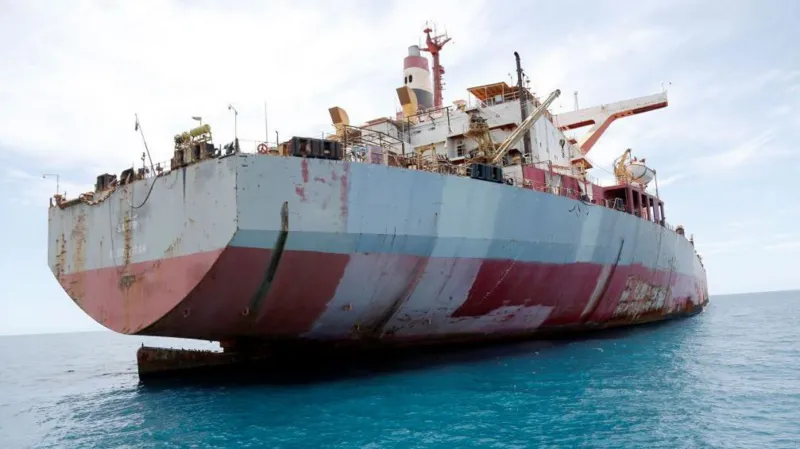
The number of abandoned oil tankers and commercial ships has surged worldwide. In the past year alone, hundreds of vessels were left drifting without proper support from their owners. Behind the numbers lies a serious human crisis affecting thousands of sailors.
A Crew Left Stranded at Sea
Ivan, a senior deck officer, spoke from an oil tanker stuck in international waters near China. His ship carries nearly 750,000 barrels of Russian crude oil worth around 50 million dollars. Yet despite the valuable cargo, the crew struggled to survive.
They faced food shortages. Meat, grain, and fish ran out. Basic supplies became scarce. Months passed without salaries.
“The crew was hungry and angry. We survived day by day,” Ivan said.
The ship left Russia’s Far East for China in November. By December, the International Transport Workers’ Federation reported it abandoned. The crew had not received wages for months.
China has refused to let the ship enter port due to growing scrutiny. The vessel remains at sea. The ITF stepped in to secure partial payments and deliver food and drinking water. Some crew members returned home. Many, including Ivan, remain onboard.
A Sharp Global Increase
The rise in abandoned ships is dramatic. In 2016, only 20 ships were reported abandoned. By 2025, that number climbed to 410 vessels. More than 6,200 seafarers were affected. These figures rose by nearly one third compared to 2024.
Global instability has fueled this trend. Conflicts, economic pressure, and the impact of the Covid pandemic disrupted supply chains. Freight rates fluctuated sharply. Some operators could not manage rising costs.
However, experts believe another factor plays a major role.
The Role of Shadow Fleets
Many abandoned vessels belong to so called shadow fleets. These ships often transport sanctioned oil from countries like Russia, Iran, and Venezuela.
Owners use older tankers with unclear ownership structures. Many sail under flags of convenience. This means they register ships in countries with weak oversight.
Panama, Liberia, and the Marshall Islands dominate this system. Together they account for nearly half of global merchant shipping by weight. Recently, The Gambia also emerged as a new registry hub. In 2023, it had no oil tankers registered. By early 2024, it hosted 35.
Flags of convenience allow shipowners to avoid strict regulations. In 2025, 82 percent of abandoned vessels sailed under such flags. Poor maintenance and weak accountability increase risks for both ships and crews.
What Counts as Abandonment
The International Maritime Organization defines abandonment clearly. It happens when shipowners fail to pay wages for at least two months. It also applies when owners refuse to cover repatriation costs or cut off essential support.
ITF General Secretary Stephen Cotton states that abandonment does not happen by chance. Seafarers sign contracts and travel across the world. Then they face legal confusion, financial hardship, and isolation.
The Human Cost at Sea
Behind every abandoned tanker stands a crew struggling to survive. These sailors often lack food, clean water, and medical support. Many cannot contact families. Some remain stranded for months.
While global politics and sanctions shape trade routes, ordinary seafarers pay the price. The abandoned oil tankers crisis reveals serious gaps in maritime regulation and worker protection.
Without stronger oversight and enforcement, more ships may drift into legal and humanitarian limbo.