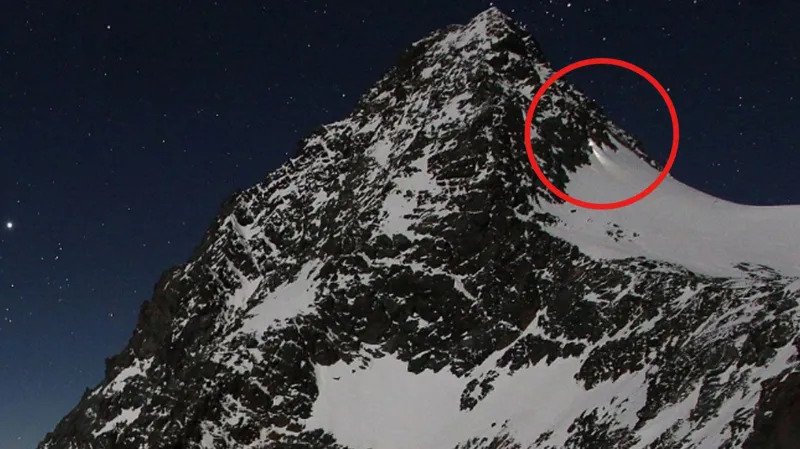
A Tragic Incident at Grossglockner
This trial attracted attention in Austria as well as within the global climbing community. The authorities claim that Thomas P, the experienced climber (identified in Austrian media), acted as a “responsible leader” and failed to take timely decisions for her safety.
Prosecutors List Mistakes
Thomas P, according to the Innsbruck state prosecutor’s office made several mistakes. The nine errors include starting the climb too late, not having enough emergency gear, and allowing Thomas P’s girlfriend to wear snowboard soft booties that were unsuitable for mountain conditions.
He should have acknowledged the danger earlier, they say. Couples faced winds of up to 74km/hr (45mph), temperatures as low as -8C, and wind chill values near -20C. The prosecution claims that he could have turned back, but continued to go.
Defendant’s Perspective
Thomas P has denied the allegations. Kurt Jelinek is his lawyer. He calls the death of the woman a tragic accident.
Jelinek claims they arrived at a crucial point, Fruhstucksplatz, on the 18th of January around 13:30. At this time there was no way to turn back before reaching the top. He says that neither of them were exhausted by this point, and they went on safely.
Fatal Night
Both Thomas P and his client felt they could continue on their own, according to the lawyer.
Thomas P called the mountain police at 00:35, but the exact details are unclear. According to authorities, he abandoned his girlfriend at 02:00 and went to the top to seek help. She was left exposed to cold temperatures. Kerstin died of hypothermia on the mountain because rescue was delayed by strong winds.
The Legal Consequences
Thomas P faces up to 3 years of prison if convicted. This case raises concerns about the criminal responsibility of climbers who are responsible for partners under dangerous circumstances. Austrian media suggests that a guilty verdict may change the expectations of mountaineering security.