A Historic Performance in Spanish
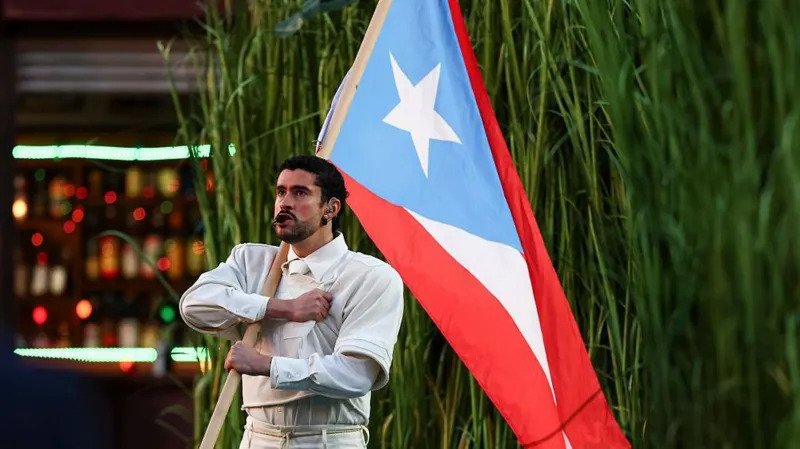
On Sunday, Bad Bunny made history as the first artist to perform a Super Bowl halftime show entirely in Spanish. For Puerto Ricans like me, the performance felt personal. Many of us have heard comments about our Spanish being hard to understand. Bad Bunny’s show reminded us that our language and culture matter on the biggest stages.
Shared Beginnings
I connect with Bad Bunny because, like him, I once worked in a supermarket, packing groceries and pushing carts under the Caribbean sun. Many Puerto Ricans share this experience, which shaped our understanding of hard work and community.
It’s more than just a job. It’s about our humble beginnings, the neighborhoods we grew up in, and the resilience that comes from small-town life.
Growing Up in Small Towns
Bad Bunny, born Benito Martínez Ocasio, grew up in Vega Baja, a northern town in Puerto Rico. I grew up in San Lorenzo, in the southeast. His mother was a schoolteacher, his father a truck driver with no music connections. My mother worked in a factory, far removed from media or entertainment.
Childhood for both of us felt distant from San Juan, even though the capital was just 45 minutes away. Trips to the city were special events, usually focused on visiting Plaza Las Américas, a massive shopping mall. Bad Bunny described it as a place where “you didn’t even know where you were standing.”
Language and Opportunity
Like Bad Bunny, I learned English as an adult and still speak with a non-native accent. Many Puerto Ricans face the same challenge. According to the latest U.S. census data, only 22% of the island’s population feels confident speaking English “very well.” Access to private lessons often depends on affordability.
Life Under Strain
Daily life in our towns moves slowly. Limited public transportation, few tourists, and a lack of major events shape our communities. We have endured political and economic struggles, including public debt crises and bankruptcy. These hardships affect electricity, schools, migration, and public services.
In 2018, Bad Bunny referenced these issues in his song Ser Bichote: “Schools are closing while puntos open. So what do I do? Tell me, I’m asking you.” The “puntos” are drug-selling spots our parents warned us about. Only Puerto Ricans truly understand the weight of that line, though everyone enjoys the music.
Why It Resonates
Bad Bunny’s Super Bowl show isn’t just entertainment. It’s a reflection of Puerto Rican identity, language, and shared struggles. Watching him on stage, I saw my own experiences mirrored in his journey.