A major global report has delivered a clear message to companies worldwide. Protect nature, or risk your own survival.
Scientists from across the globe say businesses can no longer ignore environmental damage. Companies that fail to restore and protect biodiversity may face serious long term consequences. In some cases, they could even collapse.
The new assessment comes from the Intergovernmental Science Policy Platform on Biodiversity and Ecosystem Services. More than 150 governments reviewed and approved the findings. Leading environmental experts contributed to the research.
Why Businesses Cannot Ignore Nature Anymore
According to co author Matt Jones from the UN World Conservation Monitoring Centre in Cambridge, companies face a simple choice. They can lead the transition toward sustainability, or they can put their future at risk.
Nature supports every sector of the economy. It provides clean water, healthy soil, raw materials, and climate stability. When ecosystems decline, businesses also suffer.
In the UK, nature loss has raised serious concerns. As a result, environmental responsibility has shifted from a voluntary effort to a business necessity.
Leigh Morris, International Director of The Wildlife Trusts, says companies need clear tools and measurable targets. Businesses must understand their impact on biodiversity. Then they must take real steps to reduce harm.
A Real Example from Somerset
Steart Marshes in Somerset offers a practical example of how farming and conservation can work together.
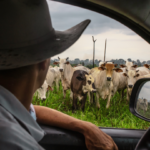
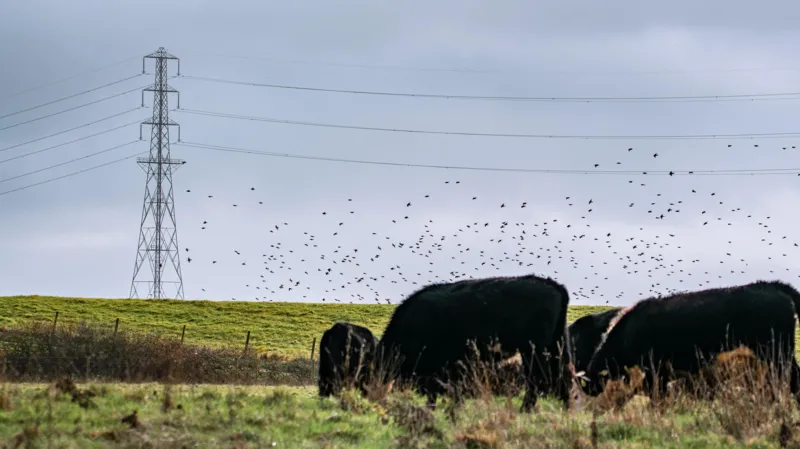
Farmers and conservation groups manage the land carefully. They allow cattle to graze across the marshes. The animals naturally control plant growth and create better habitats for birds and insects.
Local farmer Andy Darch explains that grazing improves both biodiversity and beef quality. The cattle eat a wide variety of plants. At the same time, their movement shapes the land in ways that benefit wildlife.
This approach proves that sustainable farming does not mean losing productivity. Instead, it means adapting methods to protect natural systems.
Benefits for Local Communities
Restoring nature also protects nearby communities.
Engineers built new flood banks at Steart Marshes. These structures shield surrounding villages from rising water levels. Meanwhile, the restored wetlands absorb carbon and filter pollution.
Alys Laver from the Wildfowl and Wetlands Trust says the project shows how conservation and agriculture can support each other. Farmers continue to produce food. At the same time, nature recovers and communities stay safer.
The Bigger Picture
The report makes one thing clear. Businesses depend on nature more than they often realize.
Companies that invest in biodiversity protection strengthen their supply chains, reduce climate risks, and build long term resilience. On the other hand, those that ignore environmental responsibility may struggle to survive in a rapidly changing world.
The choice now belongs to business leaders. Act early and lead the change, or face growing risks in the future.