
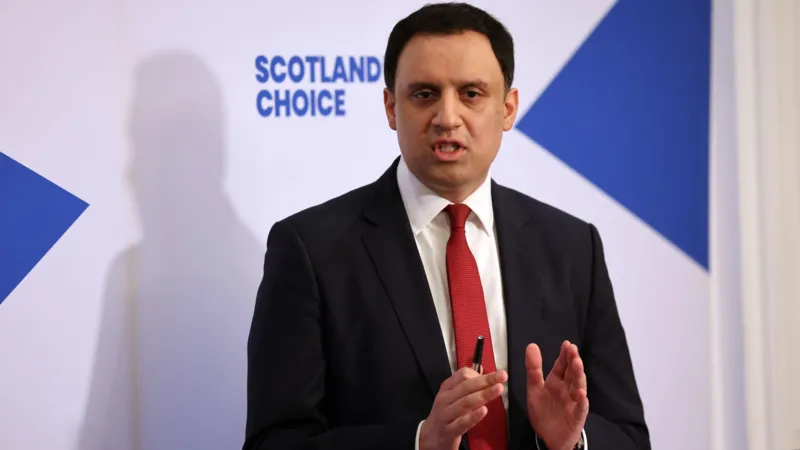
Cabinet ministers have voiced strong support for Prime Minister Keir Starmer after Scottish Labour leader Anas Sarwar demanded he step down. Sarwar cited mistakes at the top of government and criticized the handling of recent controversies.
Sarwar Criticizes PM Amid Mandelson Controversy
During a press conference, Sarwar said the situation in Downing Street was “not good enough,” pointing to errors including the appointment of Peter Mandelson as UK ambassador to the US despite his links to convicted sex offender Jeffrey Epstein. He emphasized that his first loyalty was to Scotland, especially with upcoming elections, and declined to endorse a replacement.
Ministers Express Support for Starmer
Following Sarwar’s remarks, several senior Labour ministers publicly defended Starmer. Chancellor Rachel Reeves reminded the public of Starmer’s strong mandate just 18 months ago, while Health Secretary Wes Streeting said the PM deserves a chance to recover. Scottish Secretary Douglas Alexander and former Deputy PM Angela Rayner also offered their backing, urging unity rather than factional politics.
Resignations Deepen Pressure on Starmer
The PM faces further challenges after multiple senior advisers left No 10. Morgan McSweeney, Downing Street chief of staff, resigned taking responsibility for advising Mandelson’s appointment. Tim Allan, the fourth communications chief in under a year, also stepped down, citing the need for a refreshed team.
Starmer Pledges Reforms and Apologizes
Starmer has apologized for appointing Mandelson and is pursuing reforms to strengthen the vetting and appointments process. He addressed No 10 staff, urging them to focus on tackling child poverty, the cost of living crisis, and reducing NHS waiting lists. He praised McSweeney for his years of dedication and loyalty.
Backbenchers Call for Clear Leadership
Despite ministerial support, backbench MPs remain critical. Clive Lewis described Starmer’s leadership as too close to wealth and power, while Andy McDonald stressed the need for the PM to articulate a clear plan. Dame Emily Thornberry and Polly Billington emphasized the importance of decisive leadership and personnel changes to avoid a “boys’ club” culture at the top.