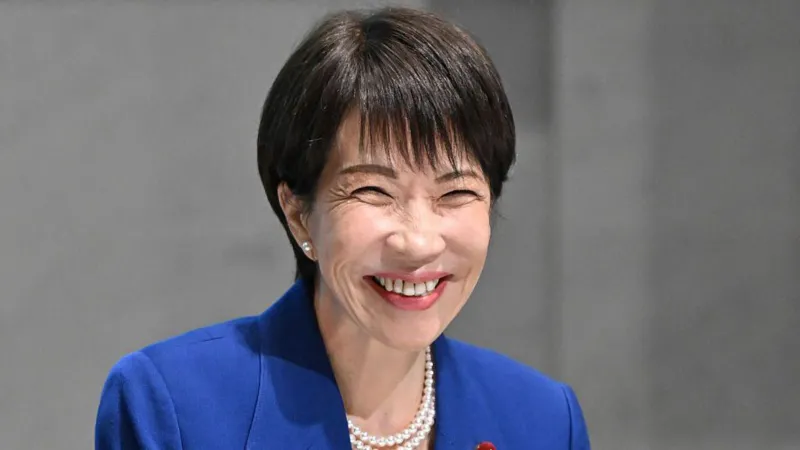
Relations between China and Japan have entered a new and tense phase. The trigger came after Japanese Prime Minister Sanae Takaichi suggested that Japan could activate its Self Defense Forces if Taiwan were attacked.
For Beijing, Taiwan is a red line. China views the self ruled island as its territory and has not ruled out the use of force to take control. Any foreign comment on Taiwan draws a sharp response from Beijing. This time was no different.
Takaichi refused to retract her remarks. She later said she would avoid discussing specific scenarios. Still, the damage was done. China reacted across diplomatic, military, economic, and cultural fronts.
Economic Moves Target Japan’s Weak Spots
China has taken steps that directly affect Japan’s economy. It restricted exports of rare earth elements and critical minerals. These materials are vital for Japanese tech and manufacturing industries.
Beijing also discouraged Chinese tourists and students from traveling to Japan. Chinese visitors account for about one quarter of Japan’s foreign tourists. As flights were cancelled on dozens of routes, tourism numbers fell. Some Japanese stocks also dropped.
Cultural exchanges have suffered as well. Concerts and film releases were postponed. Even a Pokemon related event near Yasukuni Shrine faced backlash and was cancelled. Online nationalists in China have targeted Takaichi with AI generated satire videos featuring characters like Ultraman and Detective Conan.
Military Activity and Diplomatic Pressure
China has increased military activity near Japanese territory. Japanese officials reported drone flights, naval patrols, and radar targeting incidents. Coast guard vessels from both sides have faced off near the disputed Senkaku islands.
Diplomatically, Beijing lodged complaints at the United Nations and delayed a trilateral summit involving Japan and South Korea. Chinese Foreign Minister Wang Yi criticized Japan’s position at the Munich Security Conference. He warned Western leaders that such remarks risk serious consequences.
Despite these moves, analysts say China has not escalated to the level seen in past disputes. Experts from Center for Strategic and International Studies note that Beijing still has room to intensify pressure if it chooses.
Strong Mandate Strengthens Takaichi
Takaichi recently secured a strong electoral victory. Many analysts believe she sees this as public approval of her stance. She plans to increase defense spending to 2 percent of GDP earlier than scheduled. Her government also aims to revise key security strategies and introduce an economic stimulus package.
Japan appears ready to deepen security ties with the United States. Over the weekend, officials from both countries met on the sidelines of the Munich Security Conference. US Secretary of State Marco Rubio and Japanese Foreign Minister Toshimitsu Motegi reaffirmed cooperation.
Meanwhile, US President Donald Trump has expressed support for Takaichi. However, some in Tokyo worry that Washington and Beijing could strike a broader deal that sidelines Japanese interests.
A Long Standoff Ahead
Observers expect tensions to remain high. China has grown more powerful in recent years and treats Taiwan as a core interest. Japan, backed by a strong public mandate, seems unwilling to soften its position.
For now, both sides appear locked in a steady contest of pressure. Neither wants open conflict. Yet neither is ready to step back.
This diplomatic tango may continue for months, if not longer.