Floods Keep Roads and Railways Closed
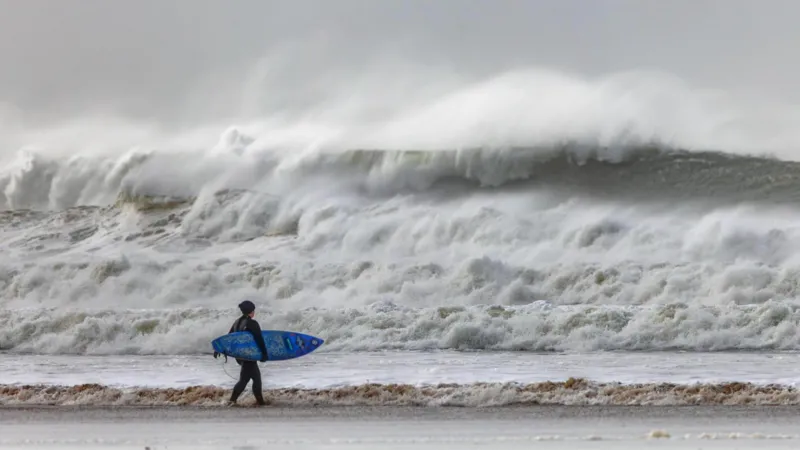
Devon and Cornwall are still dealing with severe storm damage, leaving homes, roads, and railways affected. The Environment Agency has issued five flood warnings in Devon and two in Cornwall. With the ground already saturated, river levels are expected to remain high for several days.
Rail services face major disruptions. Routes between Exeter St David’s and Barnstaple, as well as Exeter St David’s and Okehampton, will stay closed over the weekend. Only a limited number of replacement buses will operate. Trains are also cancelled between Liskeard and Looe and Par and Newquay. Service interruptions may last until the end of Sunday.
Local Services Struggle to Cope
Devon County Council is working to fix nearly 2,900 potholes, with about 50 repair teams tackling the backlog. Cornwall’s fire service warned drivers to take extra care, as standing and fast-moving water has made many roads dangerous.
The storms follow Storm Ingrid on Saturday and Storm Chandra on Monday and Tuesday, both causing widespread flooding and property damage. According to the UK Met Office, Cornwall has experienced its second wettest January since 1836, and Devon its ninth wettest. A yellow rain warning is in effect from 12:00 GMT Monday to 09:00 GMT Tuesday.
Residents Face Repeated Flooding
Jennie Spicer’s 17th Century cottage in Ruan High Lanes, Cornwall, has flooded three times this week. Her family remains in temporary accommodation. She said blocked drains are partly to blame and has requested a CCTV inspection, as many drains are buried under mud.
“We cannot live like this. We haven’t had a home in two years because flood water keeps displacing us,” she said.
Cornwall Council explained that heavy water from nearby fields often overwhelms drains, which were designed only for highway runoff. The council stated that the drains are cleaned and working as intended and that the Environment Agency is investigating further.
Safety Advice
Residents are advised to monitor flood warnings, avoid driving in affected areas, and follow updates from local councils and emergency services.