Lawmakers Challenge DOJ Over Epstein File Redactions
US lawmakers have accused the Department of Justice of making improper redactions in newly released Jeffrey Epstein files. The controversy began after lawyers for Epstein’s victims raised serious concerns about sensitive information appearing in public documents.
Victims’ representatives said the released files included email addresses and even nude images. In some cases, the names and faces of potential victims could still be identified. Survivors strongly criticized the disclosure. They called it “outrageous” and said they should not be named, exposed, or retraumatized.
In response, the DOJ removed the flagged documents. Officials said technical or human errors caused the mistakes.
Dispute Over Hidden Names
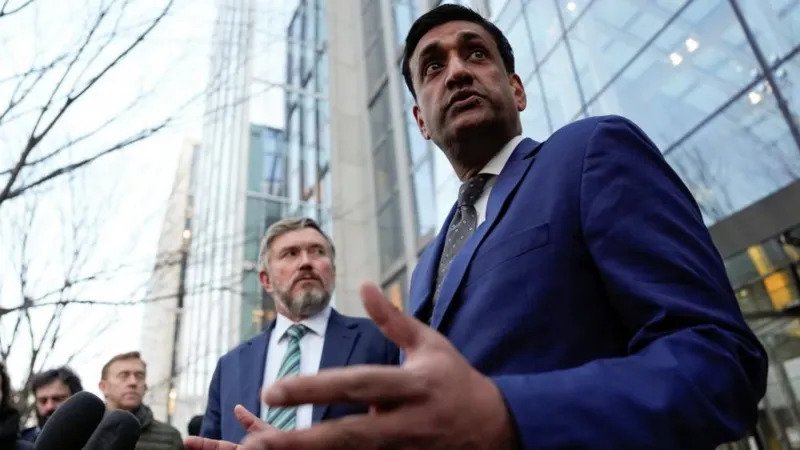
Republican Representative Thomas Massie and Democratic Representative Ro Khanna reviewed the unredacted documents. Both lawmakers co sponsored the law that required the release of the Epstein files last year.
After reviewing the material, they said officials had blacked out about 20 names. Only Epstein and his associate Ghislaine Maxwell remained visible in that section. Massie claimed that at least six of the hidden names could belong to men potentially implicated in the case.
He posted a screenshot of one heavily redacted page online and demanded answers from the DOJ. Khanna also said the redactions were inappropriate and questioned whether the department followed the law correctly.
DOJ Responds to Transparency Concerns
Deputy Attorney General Todd Blanche defended the department. He said officials had now unredacted all non victim names in the document. He added that the department remains committed to transparency.
Blanche shared what he described as an updated version of the file. In that version, only two names remain blacked out. He explained that federal law requires authorities to protect victims’ identities.
Massie also highlighted a document that showed an email exchange discussing a “torture video” and travel between China and the United States. He suggested that a “Sultan” may have sent the email and demanded the identity be revealed.
Blanche responded quickly. He said the redacted text was simply an email address. The law, he explained, requires officials to hide personal contact details. He urged lawmakers to stop politicizing the issue.
Ongoing Legal and Political Debate
Khanna argued that the problem goes deeper. He claimed the FBI originally redacted the documents before sending them to the DOJ. According to him, this action may violate the law, which required the FBI to provide unredacted records.
Massie agreed that the department needs to review its handling of the files. He said the situation shows officials must do more careful work before releasing sensitive documents.
Blanche insisted that the DOJ is not hiding anything. He said another previously redacted name, reportedly belonging to a well known retired CEO, has also been restored in the updated files.
The debate over the Epstein files continues. Lawmakers now demand clearer answers about how the documents were handled and whether the government fully complied with federal transparency laws.