
New Approach Strengthens the Immune Fight Against Cancer
Researchers at the University of Southampton have found a new way to strengthen how the immune system attacks cancer. Their work focuses on helping immune cells respond more strongly to tumors.
To do this, the team designed specially engineered antibodies. These antibodies activate cancer-killing T cells more effectively than current treatments.
How the Antibodies Work
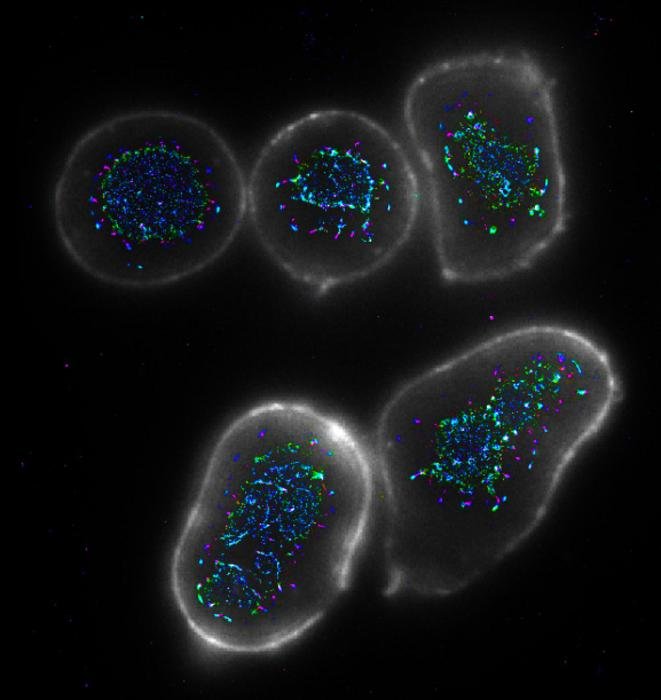
The new antibodies work by grabbing and clustering immune cell receptors. As a result, they send a stronger signal that tells T cells to attack cancer cells.
Specifically, the researchers targeted a receptor called CD27. This receptor needs a matching signal to fully activate T cells. Normally, the body produces this signal during infections. However, cancer cells do not trigger it. Because of this, T cells often respond weakly to tumors.
Why Four Prongs Make a Difference
Most antibodies used in medicine have a Y shape with two prongs. While these antibodies have transformed cancer treatment, they can only connect to two receptors at once. In some cancers, this is not enough to fully activate T cells.
In contrast, the new antibodies have four prongs. Therefore, they can bind to more CD27 receptors at the same time. In addition, they pull these receptors together into tight clusters. This action strengthens the activation signal and closely copies how the body naturally turns on CD27.
Stronger T Cell Activation in the Lab
In laboratory tests using mice and human immune cells, the four-pronged antibodies performed better than standard antibodies. They activated CD8-positive T cells more strongly. These T cells play a critical role in killing cancer cells.
As a result, the immune response against tumors became more powerful and consistent.
A Step Toward Better Cancer Treatments
According to Professor Aymen Al Shamkhani, who led the study, turning natural immune signals into effective medicines was challenging. However, by redesigning antibodies, the team achieved a much stronger effect.
Overall, this research offers a clear plan for developing next-generation cancer immunotherapies. By making CD27 easier to target, future treatments may allow the immune system to work much closer to its full strength.