
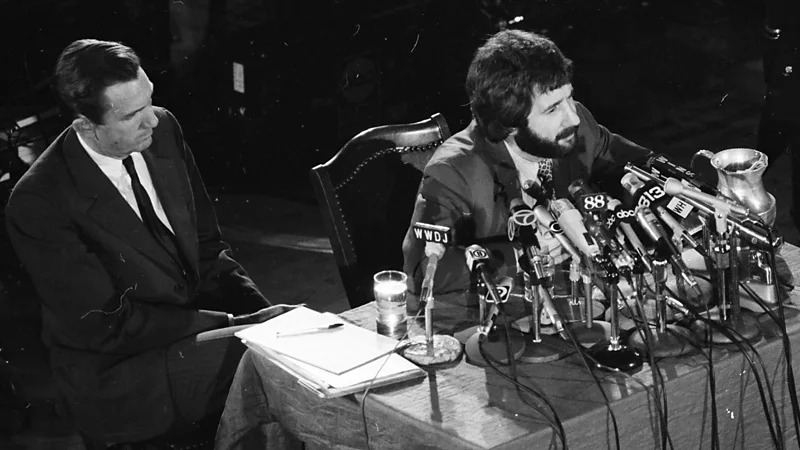
The Man Behind the Legend
Frank Serpico became a symbol of courage in law enforcement after exposing corruption in the New York City Police Department (NYPD). His fight against the system inspired the 1973 film Serpico, starring Al Pacino, who had recently gained fame as Michael Corleone in The Godfather. Serpico’s honesty made him unpopular among his colleagues and put his life at risk.
Whistleblowing in the NYPD
In 1967, Serpico began reporting widespread corruption in the NYPD. He faced threats and bullying for his efforts. Officer David Durk joined him, bringing legal knowledge and high-level contacts.
In 1970, frustrated with internal channels, Serpico and Durk took their findings to the New York Times. The front-page exposé shook the city.
Exposing a Culture of Corruption
The Knapp Commission revealed corruption was widespread. Officers fell into two categories: “grass-eaters,” who accepted small bribes, and “meat-eaters,” who demanded large payoffs through gambling, narcotics, and other serious crimes. William Phillips, a bribery-taking officer, became the star witness.
Aftermath and Legacy
Captain Edward Rogers noted that honest officers were unfairly labeled corrupt, hurting morale and public trust. Durk praised the Knapp Commission for moving beyond the “rotten apple” theory and showing systemic issues.
Serpico left the NYPD in 1972 and briefly moved to Switzerland. The 1973 biopic highlighted his struggle, with the tagline: “Many of his fellow officers considered him the most dangerous man alive – an honest cop.” In 2003, the American Film Institute ranked him among the top 50 greatest heroes in U.S. cinema history.