Oscar Honoree and Chronicler of American Institutions Passes Away
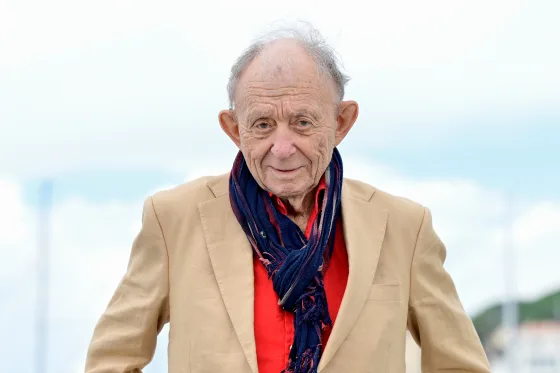
Frederick Wiseman, the acclaimed documentary filmmaker known for his close studies of American institutions, has died at 96. His family and his production company, Zipporah Films, confirmed his death in a joint statement. However, they did not share further details.
They described him as a filmmaker whose work shaped audiences and inspired generations of directors around the world.
Over a career that spanned more than five decades, Wiseman completed over 35 documentaries. In 2016, he received an honorary Academy Award for his contributions to film. His projects aired on public television, screened at major festivals, and earned a place in the Library of Congress.
A New Way of Seeing Institutions
Wiseman began directing full length films in his mid 30s. Soon after, critics ranked him alongside pioneers such as D.A. Pennebaker and Robert Drew. In some circles, he even surpassed them in influence.
He gained early attention with Titicut Follies and High School. These films offered an unfiltered look at public institutions. Instead of narration or commentary, Wiseman relied on careful observation. He often worked with a tiny crew and handled sound recording himself.
As a result, his films felt intimate and direct. At the same time, they sparked debate. “Titicut Follies,” set inside a Massachusetts hospital for the criminally insane, faced legal battles that limited public screenings for years. Eventually, courts lifted those restrictions.
Beyond Labels and Movements
Although many grouped him with the cinema verite movement, Wiseman rejected that label. He believed the term did not explain his approach. Instead, he described himself as a fair but subjective observer.
His documentaries carried simple titles such as “Hospital,” “Public Housing,” and “Basic Training.” However, beneath those names, he explored complex human behavior. For example, he filmed welfare applicants asking for help, teachers guiding students, and doctors speaking gently with vulnerable patients.
Critics often praised his emotional depth. Pauline Kael of The New Yorker once wrote that his work deepened viewers’ understanding of everyday life.
Even in his later years, Wiseman remained active. He directed projects like At Berkeley and Monrovia, Indiana. In addition, he worked in theater and even took on small acting roles in his 90s.
Early Life and Path to Film
Wiseman was born in Boston. His father practiced law, and his mother worked in a psychiatric ward. He attended Williams College and Yale Law School. Later, he served in the Army and spent time in Paris, where he began experimenting with a small film camera.
Before turning fully to filmmaking, he worked as a lawyer and lecturer. However, once he began making documentaries, he committed to exploring American life from many angles.
He once said he aimed to create as many films as possible about different parts of society. Through patience and careful editing, he shaped hours of raw footage into stories that felt both honest and poetic.
Frederick Wiseman leaves behind a body of work that continues to influence filmmakers and audiences alike.