
Zuckerberg Testifies in Landmark Case
Mark Zuckerberg, CEO of Meta, appeared in a Los Angeles courtroom Wednesday to defend his company against claims that Instagram and other Meta platforms encourage children to spend too much time online. This was his first time facing a jury amid rising concern about social media’s impact on young users.
Zuckerberg told the court that lawyers were “mischaracterising” internal emails and documents shown as evidence. The case could affect thousands of similar lawsuits nationwide.
Internal Emails Reveal Focus on Teens
The plaintiff’s lawyer, Mark Lanier, presented internal Meta emails showing discussions about teenage engagement on Instagram and Facebook. A 2019 email from Nick Clegg, Meta’s former head of global affairs, said that unenforced age limits made it “difficult to claim we’re doing all we can.”
Research presented in court showed teens felt “hooked” on Instagram, describing their experience as both rewarding and stressful. Zuckerberg said the study was done outside Meta and argued the company has taken steps to protect young users.
Meta’s Safety Efforts
Zuckerberg pointed to tools like Messenger Kids, daily usage limits, alerts for screen time, and the option to turn off notifications at night. However, internal data showed few teens actually used these features. He also said that teen users account for less than 1% of Meta’s ad revenue.
He admitted that in the past, executives were encouraged to increase teen engagement, but stressed that the company no longer prioritizes this. “I’ve worked for years to address problematic use because it’s the right thing to do,” he said.
Parents and Personal Stories
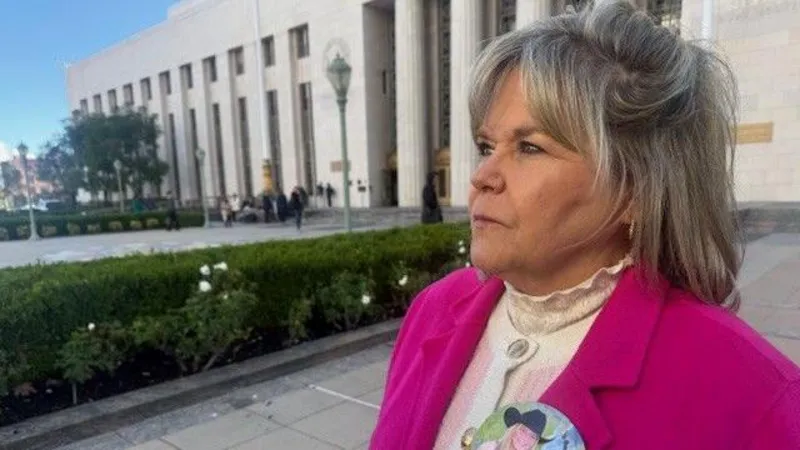
K.G.M., who started using Instagram at nine, was in court. Parents affected by social media, like Lori Schott whose daughter died by suicide, spoke about the dangers of algorithm-driven content. Schott told reporters, “It wouldn’t take long to change the content so kids aren’t hurting themselves. Is it that hard to do, Mr. Zuckerberg?”
International Context
Countries around the world are considering rules to limit children’s social media use. Australia recently banned accounts for anyone under 16, and the UK, France, Denmark, and Spain are exploring similar measures.