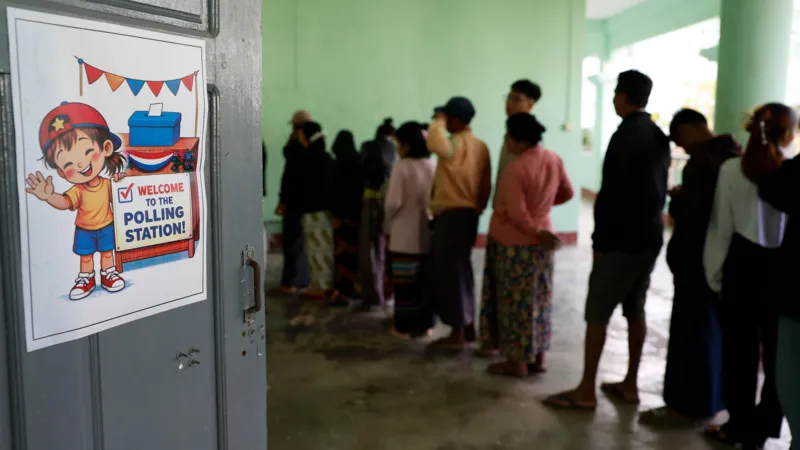
At least 170 civilians lost their lives in military air strikes during Myanmar’s recent election period, according to the United Nations. The UN said these attacks happened while the country carried out a tightly controlled vote that many nations and rights groups have already rejected.
The UN human rights office confirmed that credible sources recorded these deaths between December 2025 and late January. During the same period, the military launched at least 408 aerial attacks across the country.
Election Held Amid Ongoing Civil War
Myanmar remains trapped in a civil war that began after the military seized power in 2021. The coup removed the democratically elected leader Aung San Suu Kyi, who remains imprisoned.
Large areas of the country could not take part in the election because of ongoing fighting and insecurity. The military organized the vote in three phases, with the final round held last week.
State media announced that the military backed Union and Solidarity Party won an overwhelming victory. Many observers expected this outcome due to strict controls on the voting process.
Opposition Parties Barred From Voting
Authorities blocked the National League for Democracy from contesting the election. The party had won landslide victories in both elections before the coup.
Several opposition candidates and ethnic groups also faced exclusion. Human rights organizations believe the military plans to use proxy political parties to maintain its grip on power.
UN Calls Election Staged and Fear Driven
UN human rights chief Volker Turk strongly criticized the vote. He described the election as staged by the military and said it failed to meet basic democratic standards.
Turk explained that fear shaped many voting decisions. People either voted or stayed home because they feared the consequences. He said this reality directly violated internationally protected civil and political rights.
Air Strike Death Toll Likely Higher
James Rodehaver, who leads the UN Human Rights Myanmar team, said the civilian death toll may rise. He explained that communication blackouts and fear prevent many people from reporting attacks.
The UN gathered the data from open sources during the campaign period through the final voting day. Rodehaver warned that the current figures likely remain incomplete.
Despite the election, violence continues across much of Myanmar. Air strikes and armed clashes show no signs of slowing, leaving civilians at constant risk.