Five members of the U.S. Supreme Court did not attend President Donald Trump’s 2026 State of the Union address, just days after the court struck down his global tariff policy.
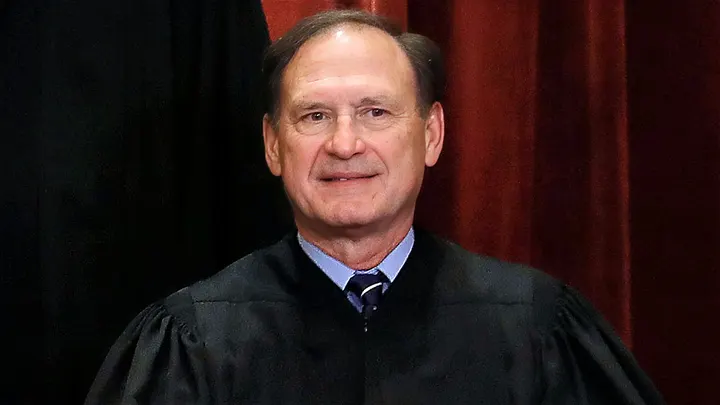
Only Chief Justice John G. Roberts Jr. and Associate Justices Elena Kagan, Brett Kavanaugh and Amy Coney Barrett appeared in the House chamber. Justices Samuel Alito, Clarence Thomas, Neil Gorsuch, Sonia Sotomayor and Ketanji Brown Jackson were absent.
Absences Follow Major Tariff Decision
The no shows came shortly after a 6 to 3 ruling that blocked Trump’s broad tariff plan. The court found that the policy went beyond presidential authority under the International Emergency Economic Powers Act. That decision dealt a serious blow to one of the administration’s key economic efforts.
In response, Trump criticized members of the court who ruled against him. He said he felt ashamed of certain justices and accused them of lacking courage. Notably, his comments included criticism of conservative justices, including two he nominated during his first term.
Attendance Is Optional
Supreme Court justices are not required to attend the State of the Union. Presidents invite them as part of long standing tradition. Each justice decides whether to go.
When they do attend, they usually enter together wearing their black robes. They sit in the front row, symbolizing the balance among the three branches of government.
A History of Skipping the Speech
Alito has not attended a State of the Union since 2010. During President Barack Obama’s address that year, he appeared to react visibly when Obama criticized the court’s ruling in Citizens United v. Federal Election Commission. Later, Alito said the event made him feel like a prop and suggested he would not return anytime soon.
Roberts has voiced concerns about the political tone of the event. In the past, he questioned whether the speech had become too partisan. Even so, he has attended every address since becoming chief justice in 2005.
Thomas has also kept his distance. After attending Obama’s first address in 2009, he chose not to return. He later described the experience as uncomfortable due to the partisan atmosphere in the chamber.
The justices’ absence this year stood out because it followed a major ruling that directly challenged the president’s agenda. While attendance remains optional, the timing drew attention and added another layer of tension between the executive branch and the court.