
High Court Sides With Postal Service
The U.S. Supreme Court ruled 5 to 4 that the United States Postal Service cannot be sued for damages when mail is intentionally not delivered.
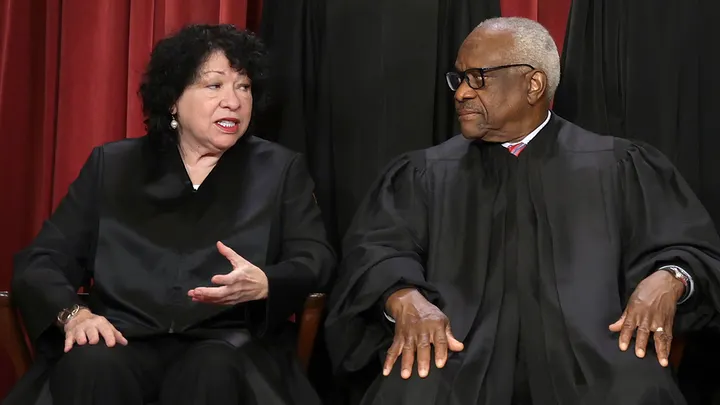
Justice Clarence Thomas wrote the majority opinion. He said the federal government has sovereign immunity and cannot face lawsuits unless it clearly agrees to them.
The ruling centers on the Federal Tort Claims Act, known as the FTCA. That law allows some lawsuits against the government. However, it includes a postal exception that keeps immunity in place for claims involving lost or mishandled mail.
What the Law Says
According to Thomas, the FTCA protects the government from claims that arise from the “loss, miscarriage, or negligent transmission” of mail. The key issue was whether that protection also applies when postal workers intentionally fail to deliver letters.
The Court said yes.
Thomas explained that the meaning of “loss” and “miscarriage” in 1946, when Congress passed the FTCA, included mail that never reaches its destination. He added that intent does not change that outcome.
As a result, the majority concluded that even deliberate nondelivery falls under the postal exception.
How the Case Started
The dispute began with Texas landlord Lebene Konan. She claimed workers at a local post office in Euless, Texas, deliberately withheld and returned mail addressed to her and her tenants. She argued that the actions caused financial losses and emotional harm.
After administrative complaints failed, she sued the federal government in district court. The court dismissed her case, citing the postal exception.
However, the U.S. Court of Appeals for the Fifth Circuit revived her claims. The appeals court ruled that the exception did not apply to intentional acts. That created a split among federal courts, prompting the Supreme Court to step in.
In the case of U.S. Postal Service v. Konan, the justices reversed the Fifth Circuit. They vacated its decision and sent the matter back for further proceedings. Still, the Court did not decide whether every one of Konan’s claims must be dismissed.
Dissenting Opinion
Justice Sonia Sotomayor disagreed with the majority. She argued that the ruling shields intentional wrongdoing, even when driven by malicious motives.
Justice Neil Gorsuch joined her and the three other liberal justices in dissent.
The split highlights ongoing debate over how far sovereign immunity should extend. For now, the decision narrows the path for people who seek damages over mail delivery disputes.