
Latakia Province: Wave of abductions
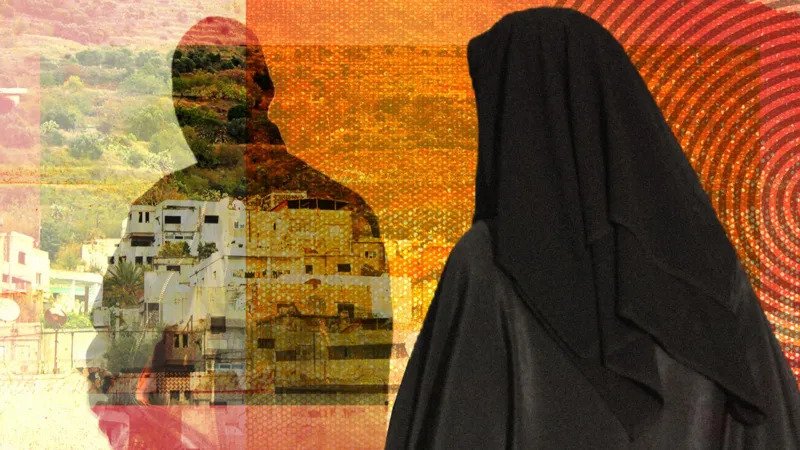
After the December 2024 fall of the former President Bashar Al-Assad, women from Syria’s Alawite minority claim that armed men kidnapped them and assaulted them sexually.
Ramia is a teenage girl from the province of Latakia. She claims that gunmen forced their way into her car as she prepared for a picnic with family. They claimed to be members of the government’s security forces. After asking her about her religion, they insulted and beat her in the car.
She said, “When I revealed to them that I am Alawite, they began attacking my identity.”
Ramia was one of the dozens of missing women since the transition to democracy. According to the Syrian Feminist Lobby, it has documented over 80 missing cases. The majority of reported victims are Alawite, a sect that represents about 10% of Syria’s total population.
Claims of Inaction by Officials
A woman claimed that officers made fun of her after she reported the assault.
A security source later confirmed that there had been kidnappings. Sources said that some officials had dismissed security staff for their role.
BetIn the coastal areas of Syria, violence between sects increased during that time. Armed clashes, including revenge attacks, killed over 1,400 civilians, mostly Alawite, in March.
Many senior officials in the previous government were Alawite. However, those who opposed the regime and their community faced repression.
I tried to escape twice
One of the captors removed her mask and photographed her. Ramia was told by a woman who claimed to be the wife of the captor that the pictures would determine the “price” for her.
According to activists, some victims have reported being threatened with selling or forcing them into marriage.
They treated us as captives
Nesma said that armed men had taken her away from her village in the province of Latakia. They drove her in a van covered with windows. She claimed that they kept her in an apparent industrial building for seven days.Her captors raped and abused her multiple times, she said.
They told Nesma that Alawite women were made to be “sabaya,” a word used in extremist groups’ past to refer to women held captive.
The Alawite community continues to be a source of fear
Many Alawite households now live in terror. Women are said to be more cautious and not travel alone, according to community members. The rights advocates call for transparency and accountability.
The survivors of the Syrian civil war say that justice is still elusive as Syria undergoes a delicate political transition.