Rising pressure between Washington and Tehran
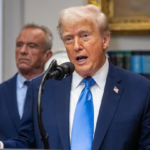
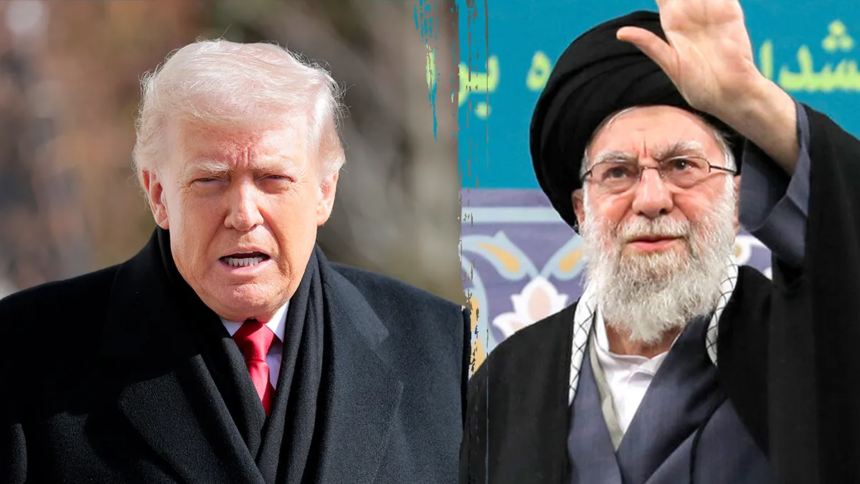
A serious confrontation with Iran now looks possible. The real question is how it will unfold and what it will be called. Some may describe it as a strike. Others may call it a battle or even a war. In the end, the label will depend on what President Donald Trump and Israeli Prime Minister Benjamin Netanyahu decide to order.
At the same time, Iran’s Supreme Leader Ali Khamenei holds the power to escalate the situation. If he directs the Islamic Revolutionary Guard Corps or allied groups such as Hamas, Hezbollah, or the Houthis to retaliate, the conflict could widen quickly. Any attack that kills Americans, Israelis, or Gulf allies would likely spark a far larger response.
What recent history shows
In June 2025, Israel and Iran exchanged heavy fire during what many called a short but intense conflict. The United States later carried out air operations targeting Iran’s nuclear facilities. Officials labeled that mission an operation rather than a war.
However, history shows how quickly limited strikes can turn into longer campaigns. For example, NATO’s 1999 air campaign against Yugoslavia lasted more than two months. Years later, NATO also led a months long air effort in Libya that contributed to the fall of its longtime leader. These examples highlight how military actions can expand once they begin.
Right now, U.S. forces in the region are positioned for several options. The president could authorize a single day of targeted strikes. He could also order sustained attacks over weeks. In a broader scenario, the United States and Israel might attempt to cripple Iran’s missile systems, military infrastructure, and key security institutions.
Trump’s red lines and Iran’s response
President Trump has outlined clear limits for Tehran. According to his administration, Iran has continued uranium enrichment, expanded missile development, funded proxy groups across the region, and suppressed its own citizens. Because of this, tensions remain high.
Meanwhile, Iranian leaders often criticize both Washington and Jerusalem in public speeches. That rhetoric adds another layer of strain. Supporters of strong action argue that if Trump chooses military force, it must be decisive and sustained to prevent drawn out escalation.
Risks and consequences
There are real dangers involved. U.S. troops in the region could face retaliation. Israel and Gulf nations also remain vulnerable to missile or drone attacks. As a result, any move by Washington would likely aim to limit threats quickly while avoiding a prolonged ground conflict.
Still, much depends on how Iran reacts. A limited response might contain the situation. A deadly counterattack, however, could trigger a much wider war.
For now, the decision rests with President Trump. The coming days may determine whether tensions cool or move toward open conflict.