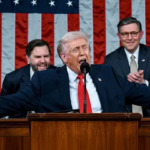
President Donald Trump said during his State of the Union address that Iran continues to chase what he called “sinister ambitions” tied to its nuclear program. He also claimed that Tehran has not clearly stated it will never develop a nuclear weapon.
His comments came as U.S. and Iranian officials prepare for another round of talks later this week.
Trump Points to Past U.S. Strikes
During the speech, Trump referred to Operation Midnight Hammer, a series of U.S. strikes on Iranian nuclear facilities last summer. He said the operation severely damaged Iran’s capabilities and warned Tehran not to restart its weapons program.
However, Trump argued that Iran has resumed its efforts. He told lawmakers that while negotiations are ongoing, the U.S. has yet to hear what he described as the key commitment from Iran that it will permanently give up nuclear weapons.
He added that he prefers diplomacy. At the same time, he stressed that he would not allow what he called the world’s leading sponsor of terrorism to obtain a nuclear bomb.
Longstanding U.S. Policy on Iran
Trump said preventing Iran from acquiring nuclear weapons has remained official U.S. policy for decades. He accused the Iranian government of backing militant groups and contributing to violence across the Middle East.
The president also mentioned the 2020 strike that killed Iranian General Qassem Soleimani. Trump said that decision disrupted Iran’s regional operations and reduced threats against American forces.
In addition, he claimed that Iran has developed missiles capable of reaching Europe and U.S. military bases abroad. He warned that the country is working on longer range missile systems.
Iran Rejects the Claims
Iran quickly pushed back on the remarks. Foreign ministry spokesperson Esmail Baghaei dismissed Trump’s statements and called them false.
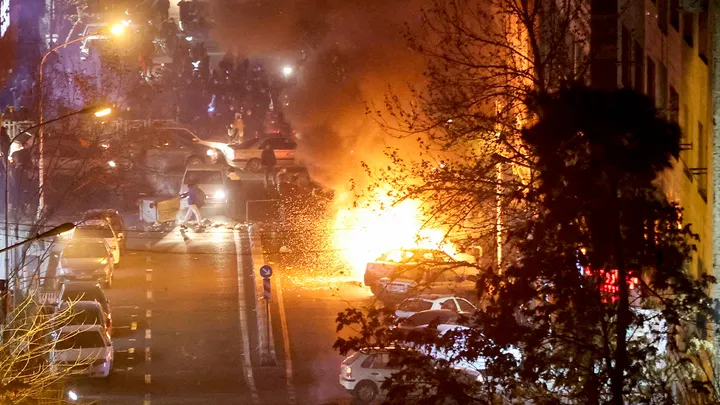
Baghaei said accusations about Iran’s nuclear program, missile development, and casualty figures during recent protests were misleading. He described the claims as repeated “big lies.”
Despite the sharp rhetoric, diplomatic channels remain open. Both sides are expected to meet again soon, with nuclear restrictions and regional security likely to dominate the agenda.