
President Donald Trump will host Israeli Prime Minister Benjamin Netanyahu at the White House on Wednesday for high level discussions focused largely on Iran. The meeting comes at a critical moment as Washington balances diplomatic outreach with the possibility of military action.
Trump recently said Iran wants a deal but warned that the United States could respond forcefully if talks collapse. His remarks suggest the administration plans to keep both negotiation and pressure on the table.
Netanyahu said before leaving Israel that he intends to clearly outline Israel’s expectations. He stressed that any agreement must protect not only Israel’s security but also broader regional stability.
Diplomacy and Military Pressure
U.S. and Iranian officials resumed talks in Oman days ago. These discussions mark the first direct engagement since last year’s brief but intense conflict. At the same time, the United States continues to maintain a strong military presence in the Gulf, signaling deterrence while strengthening its negotiating position.
Security analysts say Washington views Iran as more than a regional concern. Experts argue Tehran’s global network of proxy groups and missile capabilities pose wider risks to American interests.
Observers believe the administration’s strategy blends diplomacy with visible military readiness. Officials have made clear that if talks fail, they will not rule out tougher options.
Israel’s Broader Concerns
For Israel, the nuclear issue is only part of the picture. Netanyahu’s government wants any deal to address Iran’s ballistic missile program and its support for armed groups across the region.
Some Israeli experts worry that a narrow nuclear agreement could ease sanctions without limiting Tehran’s broader military reach. They argue that lifting sanctions now could strengthen the Iranian regime during a period of domestic pressure.
Netanyahu reportedly wants direct coordination with Trump to ensure there is no confusion about Israel’s red lines.
Gaza and Regional Tensions
Beyond Iran, the leaders will also discuss Gaza. A U.S. backed postwar framework and ceasefire implementation have stalled, with disputes continuing over governance and disarmament.
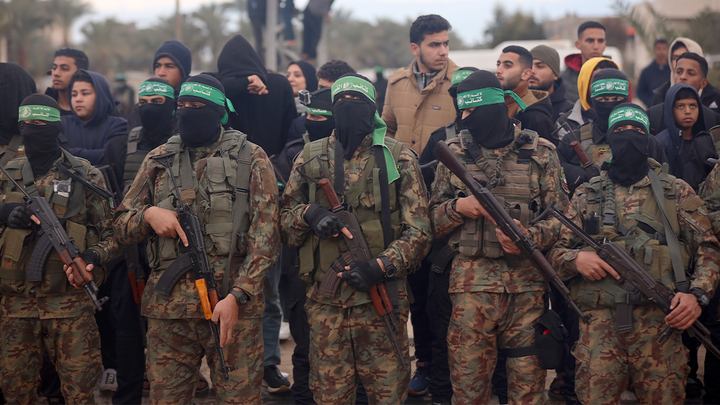
Israeli officials believe the next phase of the Gaza plan has slowed significantly. Meanwhile, concerns persist about Hamas retaining influence in the territory.
Some analysts warn that delays in confronting Iran could limit Israel’s ability to act decisively against Hamas. They argue timing is critical on both fronts.
As Netanyahu heads to Washington, the stakes appear high. Decisions made during these talks could shape security dynamics across the Middle East for years to come.