
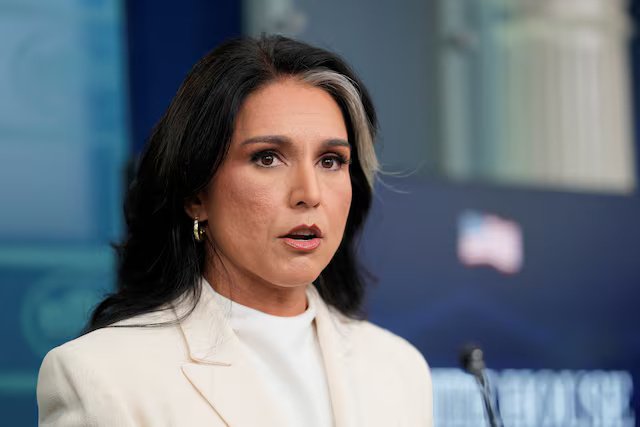
Tulsi Gabbard, U.S. Director of National Intelligence, has denied accusations that she attempted to block Congress from accessing a whistleblower complaint. She said she acted immediately after being informed of the need to provide security guidance for its release.
Background of the Complaint
The top-secret complaint was filed last May by an anonymous government official with the intelligence community’s inspector general. It alleged that Gabbard’s office may have sought to prevent the routine dissemination of certain classified intelligence for political reasons.
Gabbard, appointed to her role by former President Donald Trump last year, said she did not obstruct Congress and insisted the complaint was handled according to legal requirements.
Allegations from Whistleblower’s Lawyer
Andrew Bakaj, the lawyer representing the whistleblower, sent a letter to Gabbard’s office in November. The letter, also shared with the House and Senate intelligence committees, claimed Gabbard hindered the dissemination of the May complaint by failing to provide the necessary security guidance.
Democrats, including Senate Intelligence Committee Vice Chair Mark Warner, said that under law, the complaint should have been shared with Congress within 21 days rather than being delayed until February.
Gabbard Denies Wrongdoing on Social Media
On X (formerly Twitter), Gabbard called the claims a “blatant lie.” She clarified that the 21-day rule only applies when the inspector general finds a complaint both urgent and credible. According to her, inspectors general under both Trump and Biden administrations did not find the May complaint credible.
Furthermore, Gabbard noted that she had not previously been informed that the whistleblower intended to send the complaint to Congress, which would have required issuing security instructions. Once notified on December 4, she said she took immediate action to provide the necessary guidance to lawmakers.
Details Remain Unverified
Reuters has not independently verified the contents of the complaint. Media reports from The Guardian and The New York Times suggest it was related to handling an intelligence intercept involving someone close to Trump.