
Record Rainfall Hits Northern Ireland and Southern UK
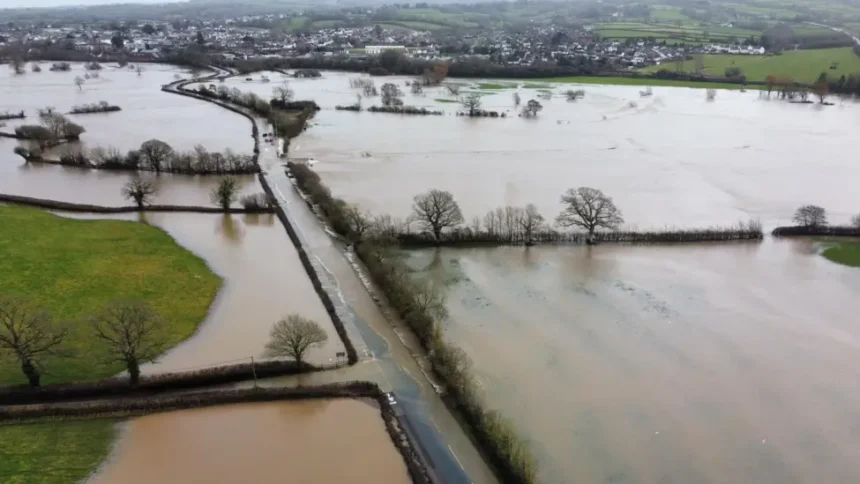
January 2026 brought unusually heavy rainfall across the UK. Northern Ireland, south-west and southern England, and eastern Scotland experienced some of their wettest Januaries on record.
Northern Ireland recorded 70% more rain than usual, marking its wettest January in 149 years. Culdrose in Cornwall received more than twice its average rainfall, while Aboyne in Aberdeenshire saw nearly four times the January average of 68.9mm.
Despite all the rain, sunshine levels were average, and overall temperatures were slightly below average—a rare combination in a warming climate.
Drier Areas in North-West England and West Scotland
Not all regions faced heavy rainfall. North-west England and western Scotland experienced below-average rainfall. Altnaharra in Highland recorded just 66mm, less than half its usual January rainfall. Aviemore also stayed drier, sheltered from south-east winds by the Cairngorm mountains.
The unusual wet and dry patterns are linked to a blocking high-pressure system over Scandinavia. This system prevented low-pressure areas from moving through, leading to south-westerly winds in southern England and south-easterly winds in eastern Scotland, creating wet conditions in these areas.
Flood Risks Continue
The Met Office has issued a yellow rain warning for south-west England from 18:00 Monday to 21:00 Tuesday. Widespread rainfall of 10-20mm is expected, with up to 50mm over Dartmoor. Ground saturation and over sixty flood warnings mean further flooding is likely.
North-east Scotland faces yellow snow warnings on Tuesday and Wednesday. Elevations above 200m may see 10-20cm, with several centimetres at lower levels, causing local disruptions.
Weather Outlook
The Scandinavian high-pressure system is expected to remain for another two weeks. This will keep weather patterns largely unchanged until mid-February, meaning southern England and eastern Scotland may continue to experience heavy rain and occasional hill snow. A significant shift in weather is likely in the latter half of February.
Ironically, hosepipe bans remain active in parts of southern England, even as heavy rain makes watering gardens unnecessary.