
US Retail Sales Flat During December Holidays
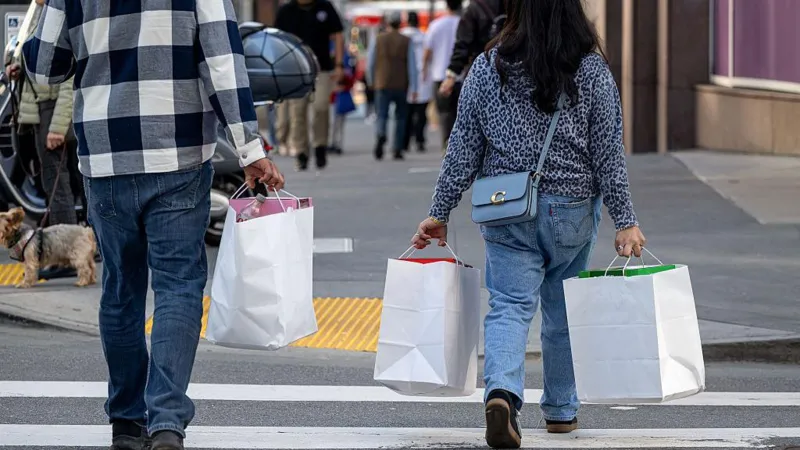
Retail sales in the US unexpectedly remained flat in December, signaling a slowdown in consumer activity. The Commerce Department reported no growth compared with the previous month, following a 0.6% increase in November.
This pause comes after several months of strong spending, despite consumers’ growing concerns about the economy.
Factors Behind Sluggish Spending
Experts say several elements contributed to December’s weak retail numbers. Slower wage growth, persistent inflation, and signs of a cooling labor market all played a role.
Several sectors faced a noticeable decline. Furniture store sales dropped 0.9% month-over-month, while clothing retailers saw a 0.7% decline. Overall, sales rose 2.4% year-over-year, down from 3.3% in November.
“Consumer spending has finally caught up with consumer sentiment, and not in a good way,” said Chris Zaccarelli, chief investment officer at Northlight Asset Management.
Temporary Slowdown or Larger Trend?
Economists caution that one month of weak retail data may not indicate a sustained downturn. Upcoming reports on the labor market and fourth-quarter GDP growth could provide a clearer picture of the economy.
Michael Pearce, chief US economist at Oxford Economics, expects a rebound. He cited upcoming tax returns and the effects of the Federal Reserve’s interest rate cuts as potential boosts for spending.
Spending Divides: Necessities vs. Discretionary Items
The retail report highlights a growing gap between higher-income consumers and those facing financial strain. While wealthy households continue to spend, wage growth slowed to 0.7% in the fourth quarter, the slowest pace in more than four years.
Gregory Daco, chief economist at EY-Parthenon, noted that Americans are focusing more on essentials. Gasoline and building material sales rose, while discretionary purchases like electronics and clothing fell.
Outlook for Early 2026
If the labor market remains stable, consumer spending could recover in the spring. Analysts say the slowdown may only be temporary, driven by seasonal shifts in spending priorities rather than deeper economic weakness.