
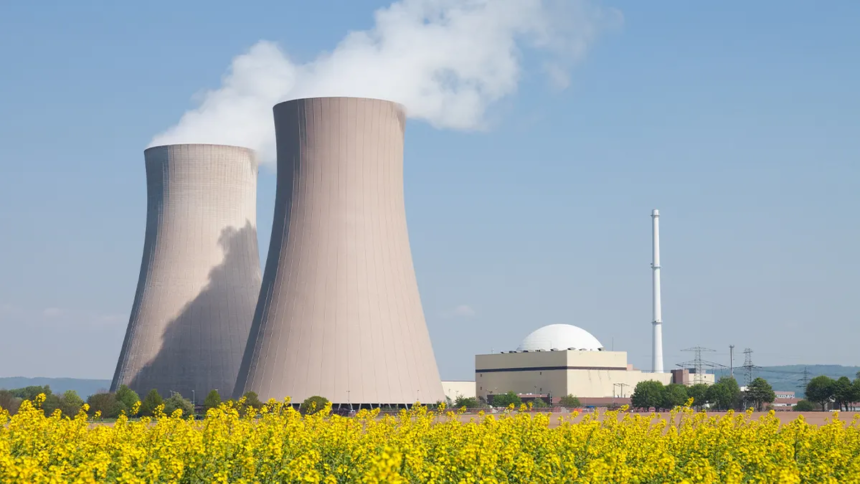
Nuclear Expansion Plans Face a Waste Management Reality
Nuclear power is back in the spotlight. President Donald Trump wants to quadruple U.S. nuclear capacity by 2050. At the same time, more than 30 countries have pledged to triple their own nuclear output. Private companies are also investing heavily, restarting old plants and extending the life of existing reactors.
However, one major problem stands in the way: nuclear waste. The United States has produced about 90,000 tons of spent nuclear fuel. While it is stored safely at plant sites, Washington has failed for decades to create a permanent disposal system.
Billions Collected, No Permanent Solution
Congress assigned the federal government responsibility for nuclear waste disposal under the Nuclear Waste Policy Act. Lawmakers required the Energy Department to begin collecting waste by 1998. To fund the effort, the department collected more than $65 billion from electricity customers.
Yet the government never delivered the promised service. Officials spent billions studying Yucca Mountain but never completed the site. As a result, utilities sued the federal government for failing to meet its legal obligations, and they won. Today, taxpayers owe more than $44 billion in damages.
Meanwhile, spent fuel remains stored safely in pools and dry casks at nuclear plants. Experts note that all the fuel ever produced in the U.S. could fit on a single football field stacked several yards high. Safety is not the core issue. Instead, the lack of a long term strategy threatens future nuclear expansion.
Why the Current System Fails
Because Washington took control of waste disposal, private companies had little reason to develop their own solutions. The current system also removes financial pressure from federal agencies. When courts award damages, the government pays from a separate judgment fund. Therefore, agencies feel little urgency to fix the problem.
This structure weakens incentives for innovation. Companies have developed advanced recycling and waste management technologies. However, without a functioning market for disposal services, these solutions cannot grow.
A Possible Turning Point
President Trump’s executive order, Reinvigorating the Nuclear Industrial Base, could shift momentum. The Energy Department has asked states to volunteer as hosts for Nuclear Lifecycle Innovation Campuses. These sites would handle various parts of the fuel cycle, including waste management.
This new approach offers three reasons for hope. First, states must opt in voluntarily. Second, private companies would play a central role. Third, the department has left room for creative proposals rather than imposing one rigid plan.
In addition, a recent nonpartisan report titled The Path Forward for Nuclear Waste in the U.S. outlines reforms. The report calls for clearer responsibility, proper use of collected funds, and flexibility for new technologies. It also supports permanent geologic storage while allowing other methods to develop.
The Path Ahead
For decades, federal missteps stalled nuclear waste policy. Now, policymakers and industry leaders have a chance to reset the system. If states and private firms step forward, the U.S. could finally match its nuclear ambitions with a workable waste strategy.
Without reform, expansion goals may stall. With accountability and innovation, nuclear energy can grow without repeating past mistakes.