
China’s growing lead at sea
China now controls the largest commercial shipping fleet in the world, with roughly 5,500 vessels and hundreds more added each year. Alongside its expanding navy, this massive fleet gives Beijing a strong grip over global trade routes.
By comparison, the United States operates fewer than 100 commercial ships, and it adds only a handful annually. Even more striking, less than half of one percent of cargo ships and tankers moving goods in and out of the country fly the American flag. That gap has raised serious economic and national security concerns.
Why the decline matters
America’s weakened shipbuilding industry poses long term risks. A limited domestic fleet leaves supply chains exposed and reduces flexibility during crises. It also shrinks the skilled workforce needed to build and maintain both commercial and military vessels.
Recognizing this imbalance, President Donald Trump has placed shipbuilding high on his policy agenda. On Feb. 13, his administration introduced a Maritime Action Plan designed to restore U.S. strength in commercial shipping.
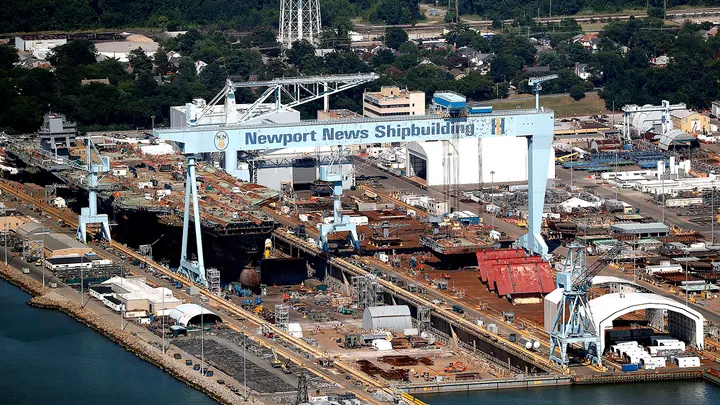
The plan notes that less than one percent of new commercial ships are built in the United States. With only 66 active shipyards, the country lacks the capacity to scale production to meet national priorities. Officials argue that a stable domestic shipbuilding sector is vital for both economic stability and defense readiness.
The Maritime Action Plan
The White House proposal outlines steps to rebuild shipyards, strengthen supply chains and expand the maritime workforce. It calls for incentives to attract private investment and reduce regulatory hurdles that slow construction.
However, the administration acknowledges that Congress must act for the strategy to succeed. Many funding tools and tax incentives require legislative approval.
The SHIPS for America Act
Lawmakers have introduced the SHIPS for America Act to align with the president’s vision. The bipartisan bill aims to make U.S. flagged vessels more competitive in global trade by cutting red tape and encouraging investment in shipyards.
The legislation also seeks to create a stronger pipeline of workers by expanding training programs for mariners and shipbuilders. In addition, it proposes a trust fund to grow the U.S. flagged fleet to 250 ships by 2035. Investment tax credits would support construction of both military and commercial vessels.
Another feature includes Maritime Prosperity Zones, modeled after the Opportunity Zones established during Trump’s 2017 tax reform. These areas would encourage investment in coastal and inland communities positioned to support ship production and maritime infrastructure.
A call for action
Supporters argue that rebuilding American shipbuilding will not happen overnight. Still, they believe the current imbalance with China demands urgent steps. Strengthening the domestic fleet, they say, would protect supply chains, create jobs and improve national security.
As competition with China intensifies, the debate over maritime dominance is likely to remain front and center in Washington.