The US toy industry is still feeling the effects of Donald Trump’s tariff policy, even though the most chaotic phase has passed. Many companies say they remain cautious as they wait for a possible ruling from the Supreme Court of the United States on a major tariff case.
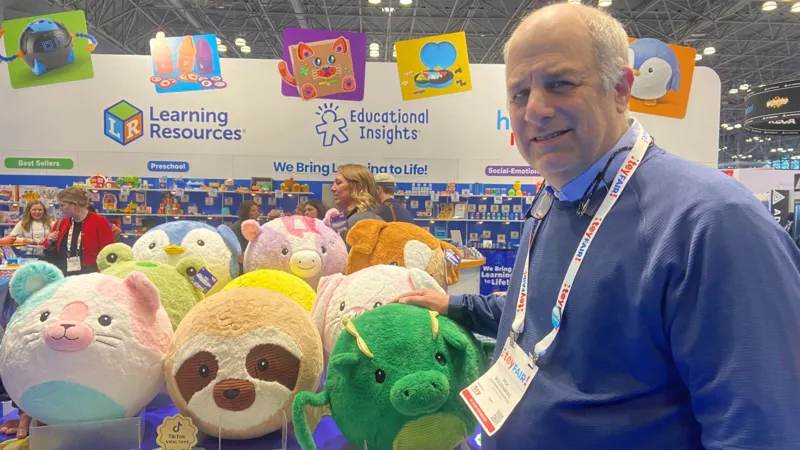
At the center of the legal fight is Rick Woldenberg, CEO of Learning Resources. He sued the White House over global tariffs introduced during Trump’s administration. His case could be decided soon, and the outcome may shape the future of import taxes in the US.
During a recent toy convention in New York City, Woldenberg drew attention from fellow business owners. Many thanked him for challenging the trade measures. For smaller firms especially, the tariffs have been a heavy burden.
How Trump’s Tariffs Hit the Toy Industry
Trump’s tariff rollout last year created major disruption. At one point, duties on Chinese goods climbed as high as 145%. Since the US toy industry depends heavily on manufacturing in China, the sudden increase in import taxes sharply raised costs.
Over time, the administration rolled back some of the highest rates. The average tariff on Chinese imports later settled near 20%. Despite early fears, the impact on consumer prices has been uneven
Businesses Remain Cautious
Even with some stability returning, industry leaders say they are not fully at ease.
Sensory toy brand Glo Pals also raised prices. Its popular light up water cubes increased by around 20% last April. It marked the company’s first price hike in six years. Founders say they hope to avoid further increases, but future tariff changes could disrupt those plans. Many executives describe the current environment as unpredictable. They believe trade policy could shift again at any moment.
What Happens If the Court Rules Against Tariffs?
Some leaders are hopeful. Woldenberg says his company expects further relief if the ruling goes in their favor. Others remain skeptical. Tim Hislop, co founder of UK based toy brand Floss and Rock, doubts that previously paid tariffs will be returned. Still, he believes a favorable ruling would lower future costs in the US market, which accounts for more than half of his company’s revenue.
For now, toy makers across the country are watching closely. The legal decision could shape pricing, profits, and supply chains for years to come.