Maduro’s Absence Leaves a Power Vacuum
In January, a striking drone display over Caracas projected images of Nicolás Maduro and his wife Cilia Flores against the night sky. The drones spelled out “El pueblo los reclama” — “the people want them back.” This spectacle came after the US swiftly removed the former president and his wife from Venezuela on January 3.
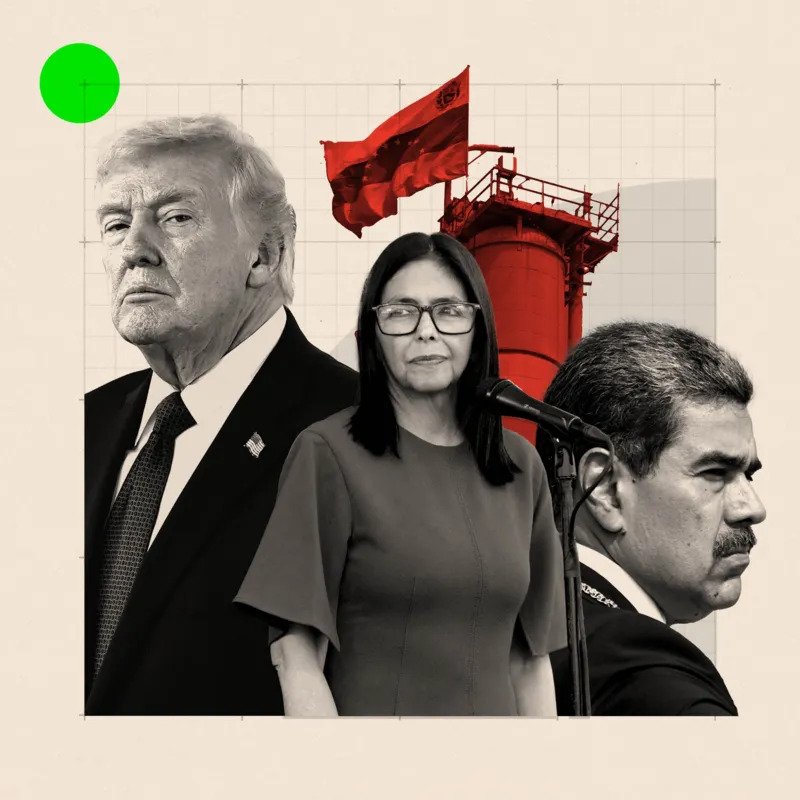
Delcy Rodríguez, the former vice president, now serves as acting president. She has called for Maduro and Flores to return, but they remain in Brooklyn’s Metropolitan Detention Center in New York, facing trial for alleged crimes including drug trafficking. Both deny the charges.
Balancing Leftist Support and US Pressure
Rodríguez faces a delicate task: maintaining support from Venezuela’s socialist base while responding to pressure from US President Donald Trump. Christopher Sabatini, a Latin America expert at Chatham House, says Rodríguez “serves at the will of the US president” and faces potential threats from US law enforcement.
She criticized US “imperialist expansion” in her first speech to the National Assembly on January 16, yet met with CIA Director John Ratcliffe the same day. Analysts note that her legitimacy depends on US military backing, which could be withdrawn if she fails to cooperate.
Public Reaction in Caracas
Caracas is filled with banners demanding Maduro’s return and opposing US intervention. During a small pro-government march, civil servant Leonardo Arca said Rodríguez is “handling communication in the best way to keep the country moving forward.” Many pro-government rallies are organized by authorities, with workers often told to attend.
Pragmatic Shifts in Policy
Rodríguez, a lifelong Chavista, has moved quickly. She appointed technocrats rather than strict ideologues, allowed US oil companies to start operations, and released some political prisoners. Opposition groups argue these moves came under US pressure, and many prisoners remain jailed.
Trump has praised Rodríguez, calling her “a wonderful person.” Rodríguez has described interactions with the US as “courteous and respectful.” Still, experts note that US influence over her decisions is substantial.
Rising Tensions and Economic Hopes
Rodríguez continues anti-US rhetoric to satisfy Chavismo supporters, calling the US an “invader” and “imperialist.” Analysts warn that US pressure could increase, including more sanctions or oil restrictions.