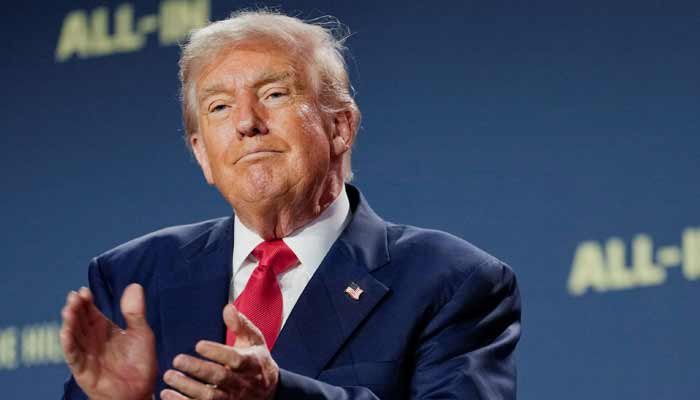
President Donald Trump has signed a new executive order that prevents individual US states from enforcing their own artificial intelligence (AI) regulations. Speaking from the Oval Office, Trump said the country needs “one central source of approval” to guide AI oversight.
White House AI adviser David Sacks said the order will help the administration challenge state rules considered overly restrictive. However, he noted that the federal government will not interfere with regulations focused specifically on protecting children.
This decision is a major win for large technology companies that have been urging Washington to create nationwide AI policies. They argue that inconsistent state-level rules could slow innovation and weaken the US in its competition with China, especially as tech firms continue investing heavily in AI development.
Still, the move has sparked pushback. Although the US has yet to pass a federal AI law, more than 1,000 state-level AI bills have been introduced, according to the White House. Data from the National Conference of State Legislatures shows that 38 states, including tech-heavy California, have already passed around 100 AI-related regulations this year alone.
These state laws vary widely. Oregon’s new law prohibits any non-human system, including AI, from using licensed medical titles like “registered nurse.” Although major AI companies, including OpenAI, Google, Meta, and Anthropic, declined to comment, tech lobbying group NetChoice welcomed the decision and expressed interest in helping shape national standards.