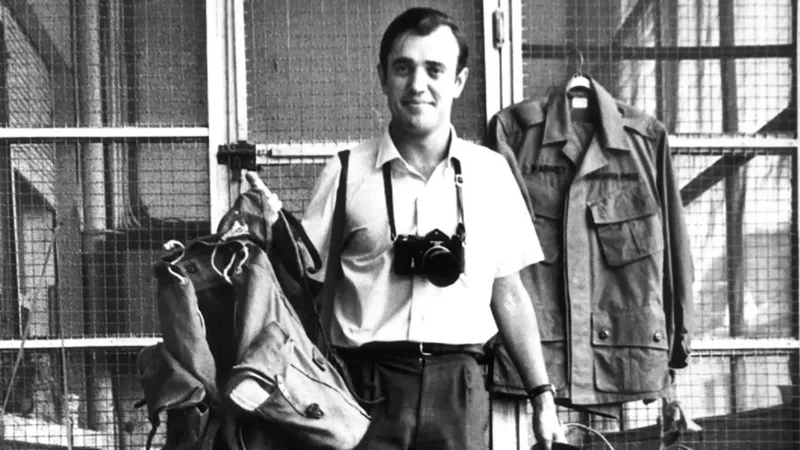
Pulitzer Prize winning journalist Peter Arnett has died at the age of 91. US media confirmed his death on Wednesday. His family said he passed away in California while receiving hospice care for prostate cancer.
Arnett spent decades reporting from some of the world’s most dangerous conflict zones. His work shaped modern war journalism and earned him global respect.
Early Life and Path into Journalism
Peter Arnett was born in 1934 in Riverton, New Zealand. He began his journalism career with the Associated Press in the early 1960s. The agency later sent him to Vietnam, where he reported throughout the war until it ended in 1975.
He often traveled with soldiers during combat missions. Those experiences defined his approach to reporting and his focus on the human cost of war.
Pulitzer Prize and Vietnam Reporting
Arnett gained international recognition for his Vietnam coverage. His reporting earned a Pulitzer Prize for International Reporting. He focused on facts from the ground and avoided official spin.
In later years, he recalled witnessing a senior officer shot while reading a map. The moment stayed with him and influenced how he covered conflict.
Rise as a Television News Reporter
After leaving the Associated Press in 1981, Arnett moved into television news. He became widely known during the first Gulf War. At the time, he was one of the few Western journalists who remained in Baghdad during US led airstrikes.
Viewers watched as explosions and air raid sirens interrupted his live reports. His calm delivery built trust during a tense global moment.
Interviews with World Figures
While reporting from Iraq, Arnett interviewed then president Saddam Hussein. He later wrote that he asked firm questions while respecting the limits of the situation.
In 1997, Arnett became the first Western journalist to interview Osama Bin Laden in Afghanistan. The interview later gained historical weight after the attacks of September 11.
Later Career and Public Dispute
Arnett later worked for NBC. The network dismissed him after an interview he gave to Iraqi state television. Critics said his comments challenged US military strategy.
He defended his work and said he reported events as he saw them. Soon after, he joined the UK based Daily Mirror.
Tributes and Legacy
Arnett later became a naturalised American citizen. He lived in southern California during his final years. He is survived by his wife Nina Nguyen and their children, Andrew and Elsa.
Former colleagues praised his courage and skill. A senior Associated Press journalist called him one of the finest war correspondents of his time. Photographer Nick Ut, who worked with him in Vietnam, said his death left a deep personal loss.