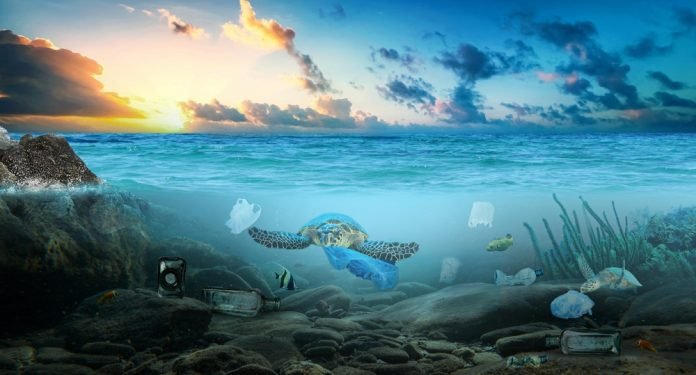
High Seas Treaty Becomes Law
On 17 January 2026, the High Seas Treaty entered into force. This moment marks a major shift in how the world manages and protects the ocean.
The treaty’s formal name is the Agreement on Biodiversity Beyond National Jurisdiction. Many experts see it as the most important step in global ocean governance in decades.
The agreement covers areas outside national borders. These waters account for almost half of Earth’s surface and most of the ocean by volume. They support the planet’s largest ecosystem and play a key role in climate regulation, food supply, and biodiversity.
For years, these areas lacked clear and unified rules. As a result, protection efforts remained limited and uneven.
What the Treaty Changes
For the first time, the High Seas Treaty sets out a single legal framework for activities in international waters. This brings clarity where rules once overlapped or conflicted.
One major change is the ability to create marine protected areas on the high seas. Governments can now safeguard sensitive ecosystems far from coastlines.
The treaty also sets rules for marine genetic resources. These materials attract growing interest from drug makers, biotech firms, and cosmetic companies. Under the new system, benefits must be shared more fairly.
In addition, environmental impact assessments become mandatory. Any planned activity must assess risks before work begins. This helps prevent damage rather than reacting after harm occurs.
Equity also plays a central role. The agreement supports capacity building and technology transfer. These measures help developing countries take part fully in ocean management.
So far, 81 parties have ratified the treaty, including the European Union and 16 EU member states. In total, 145 countries have signed it, showing strong global backing.
The European Union’s Role
The European Union played a key part in shaping the treaty. EU negotiators helped drive talks that concluded successfully in 2023. Many saw this outcome as a rare win for multilateral cooperation.
The treaty reached the required 60 ratifications on 19 September 2025. This milestone triggered its entry into force 120 days later.
As co-chair of the High Ambition Coalition on BBNJ, the EU continues to push for strong implementation. This group brings together 46 countries committed to ocean protection.
Planning has already begun for the first Conference of the Parties. This meeting should take place within a year. It will focus on turning legal commitments into action.
Beyond diplomacy, the EU has pledged practical support. Its €40m Global Ocean Programme aims to help countries build skills and systems to apply the treaty. An initial €10m support package is already active and responds to urgent needs.
Why Protecting the High Seas Matters
Ocean conservation sits at the core of the treaty. Areas beyond national control provide vital services. They regulate climate, support fisheries, and sustain marine life on a global scale.
These waters also hold scientific, cultural, and economic value. Their health affects communities far from the ocean itself.
However, pressure on these ecosystems keeps rising. Pollution, overfishing, potential deep-sea mining, and climate change all pose serious risks.
Without shared rules, harm in one region can spread across the ocean. The treaty addresses this by promoting cooperation and shared responsibility. It links ocean protection directly to human well-being and long-term prosperity.
A Step Toward Coherent Ocean Governance
Another strength of the treaty lies in coordination. Many global bodies already oversee shipping, fishing, seabed resources, and environmental protection. Too often, they work in isolation.
The High Seas Treaty encourages alignment among these groups. It supports a more joined-up approach to managing international waters.
As the treaty takes effect, expectations remain high. Challenges will arise during implementation. Still, the agreement marks a historic move toward protecting the world’s largest shared ecosystem for future generations.