
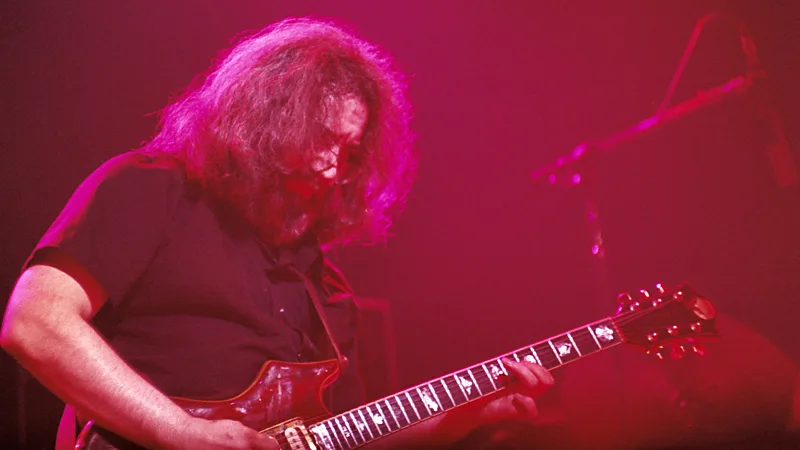
The Grateful Dead played their first show on December 4, 1965. By 1981, lead guitarist Jerry Garcia told the BBC that their rise to fame had never compromised their principles.
The band emerged from the 1960s West Coast psychedelic scene. Unlike other artists chasing glamour, they kept their focus on long improvisational jams and community-centered performances. This style remained mostly unchanged until Garcia’s death in 1995 at age 53.
Financial Success Without Selling Out
Despite avoiding mainstream trends, the Grateful Dead achieved major financial success. Forbes listed them as the 20th highest-paid entertainers in 1990–91. They earned an estimated $33 million, rivaling pop stars like MC Hammer.
The band began in small San Francisco ballrooms. These early shows catered to experimental audiences. Over three decades, this underground act became a cultural phenomenon.
A Loyal Community of Deadheads
The band had no single superstar. They intentionally avoided commercialism. Record sales were secondary, yet they scored an MTV hit in 1987 with Touch of Grey. The video featured playful skeleton marionettes.
Their true success came from cultivating a loyal fanbase known as Deadheads. Fans followed the band from city to city. They formed a traveling community that celebrated music and togetherness.
The Spirit of Adventure
In 1988, Garcia said the band represented “the spirit of adventure” to young Americans. Fans arrived early at venues to set up informal markets called Shakedown Street. These markets were named after the band’s 1978 album.
The Grateful Dead encouraged trading bootleg tapes. They prided themselves on constantly changing setlists. Each concert offered a unique experience.
International Recognition
In 1981, the news documented their return to London. The band performed four nights at the Rainbow Theatre after a seven-year absence. Meanwhile, punk and New Romantic acts like Spandau Ballet dominated the UK music scene.
Despite the trends, the Dead’s community-driven performances stood apart. Their non-commercial, improvisational style proved that staying true to a vision could create lasting cultural impact.
Legacy of the Grateful Dead
The Grateful Dead’s story shows that authenticity and connection can drive both cultural and financial success. Their music inspired adventure, community, and creativity. Even decades later, their influence on music and fan culture remains strong.