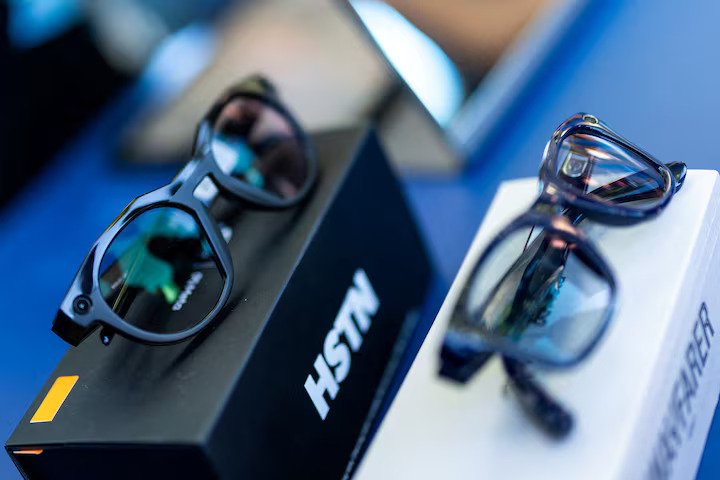
Technology companies are betting that AI powered glasses, pins, pendants and wearable recorders could become the next major personal computing platform. However, growing privacy concerns may slow the adoption of these devices.
Meta’s Ray Ban smart glasses have become a major focus of the debate. The glasses combine cameras, microphones and AI features in a familiar eyewear design. Critics and some users have raised concerns about recording people without their knowledge or consent.
The debate is pushing technology companies to rethink how AI devices collect, process and store personal information.
Quick Fact
| Detail | Information |
|---|---|
| What happened | AI wearable devices are facing growing privacy concerns. |
| Where | Privacy concerns are emerging across markets, including the UK and US. |
| When | The debate is growing as companies develop new AI wearable devices. |
| Who is involved | Meta, Samsung, OpenAI, Even Realities, Pocket and Plaud. |
| Current status | Companies are testing camera free designs, recording controls and local AI processing. |
| Why it matters | Privacy concerns could affect how quickly consumers adopt AI wearable technology. |
Privacy Becomes a Major Challenge
AI devices become more useful when they understand their surroundings. To do that, they may need access to audio, images and other environmental information.
A lawsuit against Meta and Luxottica of America has added to the debate. Consumer attorneys allege that recordings captured by smart glasses reached human reviewers after Meta uploaded the material to its servers.
The allegations include recordings involving people in highly private situations. Meta disputes the claims and says it will defend itself in court.
Samsung Takes a Partnership Approach
Samsung also plans to enter the smart glasses market. The company has said it will work with Gentle Monster and Warby Parker on its products.
Samsung executive Jay Kim said users will increasingly expect AI devices to remain secure and under their control.
The company does not currently describe smart glasses as direct replacements for smartphones.
OpenAI CEO Sam Altman has described a future built around an always available AI device. Such a device could understand its user’s surroundings and decide when assistance makes sense.
Altman has also highlighted local AI processing as an important part of that future.
Processing information directly on a device could reduce the need to send sensitive data to cloud servers.
Consumer privacy concerns haven’t stopped companies from adopting AI recording devices.
Pocket says its devices are already used by employees at companies including DoorDash, Michelin and Santander.
Plaud says it has reached 2.5 million users and more than $100 million in annual recurring revenue.
Privacy Shapes the Future of AI Wearables
Privacy could become one of the biggest factors shaping the AI wearable market.
Smartphones faced similar concerns when cameras and microphones became common. Over time, people became more familiar with those features.
The current debate focuses less on recording itself and more on consent, awareness and control.
AI Wearables Face a Privacy Challenge
AI wearables are moving into a new phase as technology companies search for alternatives to the smartphone.
Smart glasses and AI recorders offer useful features, but privacy concerns remain a major obstacle. Companies are now experimenting with camera free designs, visible recording controls and local AI processing.