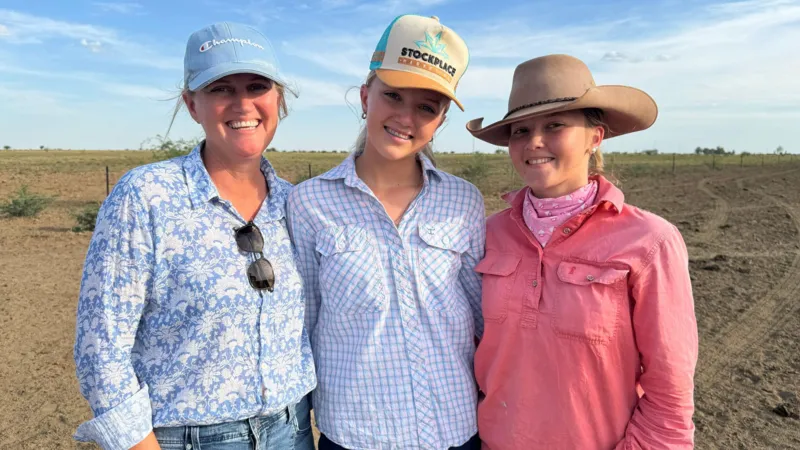
Australia has implemented a nationwide social media ban for children under 16, affecting millions of teens like 15-year-old Breanna Easton. Living 1,600km northeast of Brisbane, Breanna spends her summer helping herd cattle on her family’s station. Yet, despite enjoying the freedom of the outback, she relied on social media like Snapchat and TikTok to connect with friends who live far away.
For teens like Breanna, social media has been more than entertainment—it’s a vital link to their peers. With the new law, she and her friends are now cut off from this digital community. While supporters argue that the ban protects children from online bullying, predators, and excessive screen time, opponents warn that strict restrictions may push teens toward unregulated corners of the internet.
Breanna’s mother, Megan, believes the law limits parents’ ability to teach responsible social media use. Her children were gradually introduced to online platforms, allowing them to learn from minor mistakes under supervision. “We might be geographically isolated, but we’re digitally aware,” she explains. “This law feels like government overreach.”
Urban teens share similar frustrations. Fourteen-year-old Jacinta Hickey from Sydney calls the ban insulting, asserting her maturity to discern online risks. Meanwhile, educators like Rosebank College principal Iris Nastasi support the restriction to protect childhood innocence, emphasizing the real-life consequences of online actions.
Some teens, however, appreciate the guidance. Twelve-year-old Lola Farrugia prefers a flip phone and agrees with her parents’ advice that social media is “junk food for the brain.” Others, particularly minority groups, fear losing crucial support networks. Sadie Angus, 13, values Instagram as a safe space for LGBTQ+ support, highlighting the ban’s potential drawbacks for vulnerable teens.