
“Tracing the Ocean’s “Hidden Giants”
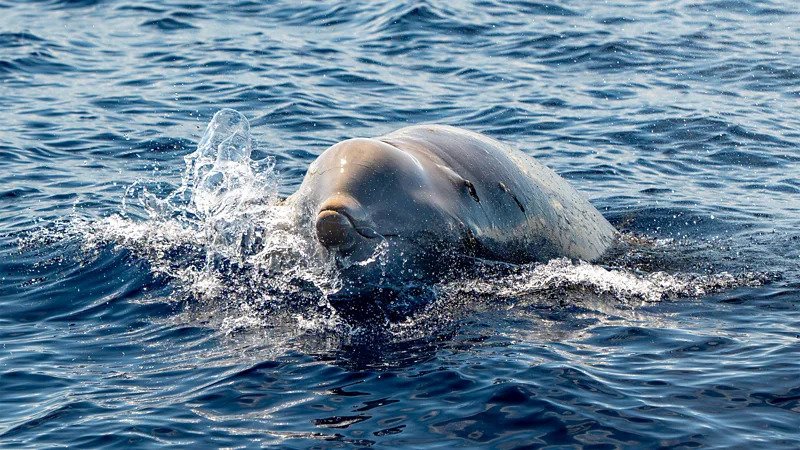
In June 2024, off the sunlit coast of Baja California, marine biologist Elizabeth Henderson and her research team combed the ocean for beaked whales. Beaked whales, also known as useri, remain mysterious creatures, as they can dive up to 2 miles deep for more than an hour. When they come up for air, their gray bodies become all but invisible as they mix seamlessly into the sea.
However, after several days of observation with little activity, two young whales appeared alongside the boat, curious and uninhibited. According to Henderson, a scientist at the US Navy Marine Mammal Program and expert on bioacoustics:
“The one assumption that has always been made about beaked whales is that they avoid boats. But this particular group came quite close to investigate.”
The Mysterious Case of Beaked Whales
Beaked whales are one of the most poorly known groups of sea mammals. There are 24 known species, which constitute a quarter of cetaceans. Species have been known only from dead specimens and have never been recorded alive. Underwater sounds are now being utilized to learn about their behavior, migration, and identification of species.
Sound is assisting scientists in deciphering the mystery surrounding the whales. The unique clicks are recorded using hydrophones, which are underwater microphones that range from 10 to 5,000 meters deep. Each whale type emits its distinctive sound pattern. Researchers then analyze the genetic makeup through biopsies or environmental DNA to determine the type of whale behind the sound pattern. This enables scientists to study the whales without ever observing them.