
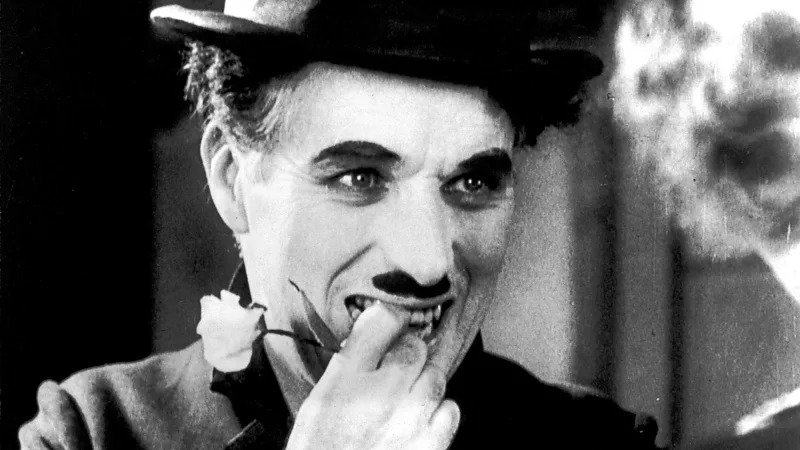
In a 1966 interview, Chaplin named City Lights as his favorite, modestly calling it “solid, well done.” The film premiered on January 30, 1931, and follows the Tramp, who falls in love with a blind flower girl, played by Virginia Cherrill. She mistakenly thinks he is rich, leading to a story full of compassion, sacrifice, and hope.
The film’s acclaim has only grown over time. In 1952, the British Film Institute ranked City Lights joint second among the greatest films, alongside Chaplin’s The Gold Rush.
Directors like Stanley Kubrick, Orson Welles, and Andrei Tarkovsky praised it, while screenwriter James Agee described it as “the greatest piece of acting.”The final scene is unforgettable. After helping the flower girl regain her sight, the Tramp returns months later to find her running a successful flower shop.
The scene’s effect comes from everything that leads to it. The Tramp works as a street sweeper and a boxer, gets money from a drunken millionaire, and ensures the flower girl can pay rent and see a doctor who restores her vision. Film historian Charles Marland highlights Chaplin’s use of close-ups, careful framing, and emotional soundtrack to make the moment unforgettable.