First Court Appearance in the Charlie Kirk Case
The man accused of killing conservative activist Charlie Kirk at Utah Valley University has made his first in-person court appearance. His arrival in the courtroom comes as the judge weighs how much media access should be allowed in the widely followed case.
Media Access Debate Intensifies
Attorneys for the suspect, 22-year-old Tyler Robinson, along with the Utah County Sheriff’s Office, have asked the court to ban cameras. They argue that heavy media attention could interfere with Robinson’s right to a fair trial.
Meanwhile, Kirk’s widow and a coalition of national and local news outlets are urging full transparency. They want access to courtroom proceedings, including recordings and transcripts from two hearings held behind closed doors in October.
Charges in the Kirk Murder Case
Prosecutors have charged Robinson with aggravated murder and additional offenses. They have confirmed their intention to seek the death penalty. Robinson has not yet entered a plea.
How the Suspect Was Identified and Arrested
After a multi-day manhunt, Robinson turned himself in when his father recognized him from police photos circulated publicly. Robinson admitted to the crime during a conversation with his father, who ultimately persuaded him to surrender to authorities.
Inside the Court During the Hearing
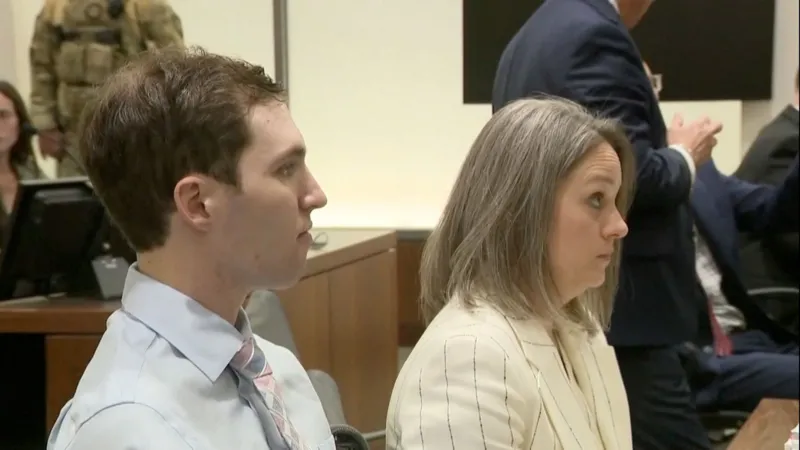
Robinson appeared in court wearing shackles on his wrists and ankles. Dressed in a tie, dress shirt, and slacks, he briefly smiled at family members seated in the front row. His parents and brother were all present, according to CBS reporting.
Push to Unseal Hearing Materials
News organizations are pressing the court to release a 14 October audio recording and a 24 October transcript from earlier restricted hearings. Kirk’s widow has also demanded transparency, telling Fox News last month that “we deserve to have cameras in there.”
Part of Thursday’s hearing focused on determining what portions of the earlier hearings should be made public. Another portion was livestreamed for viewers.
Judge to Decide on Sealed Information
Judge Tony Graf stated that he must review what should remain sealed before making the materials public. He emphasized that playing restricted audio during the hearing itself would undermine the purpose of such protections. His ruling is expected shortly.
Courtroom Restrictions on the Defendant
Although the judge allowed Robinson to wear civilian clothing in earlier proceedings to reduce jury bias, he required him to remain in restraints during hearings. Any photographs or videos showing his restraints remain prohibited.