
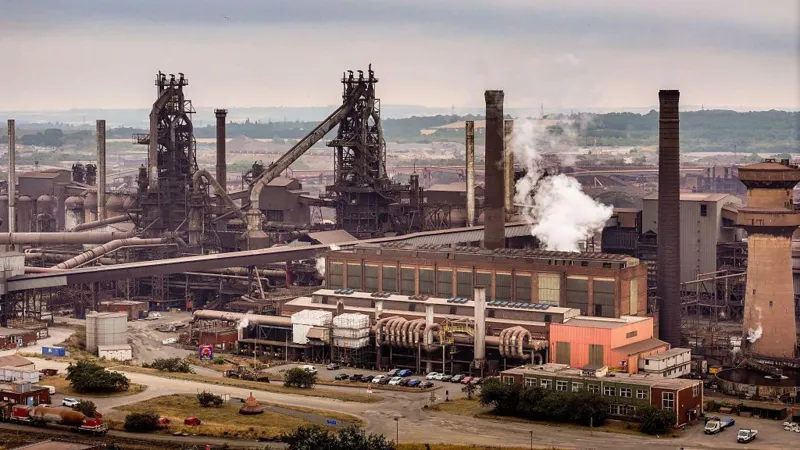
China has strongly criticized the UK government’s decision to nationalise British Steel, arguing that the move unfairly affects the rights of its Chinese owner, Jingye Group. Beijing said the decision could weaken the confidence of Chinese businesses that invest in the United Kingdom.
The UK government announced on Thursday that it would take British Steel into public ownership. Officials said the decision would protect thousands of jobs and preserve the country’s steel manufacturing industry, which they described as an important national asset.
China Raises Concerns Over Investment Rights
China’s Ministry of Commerce said the UK government had ignored Jingye Group’s contributions to the British economy. According to the ministry, the decision to take control of British Steel damaged the company’s legal rights and created uncertainty for future Chinese investment in the UK.
Chinese officials also urged Britain to honor the China UK Bilateral Investment Treaty. The agreement, signed in 1986, aims to protect investments made by companies from both countries.
China added that it would continue to monitor the situation closely and support Chinese businesses in protecting their legal interests. However, officials did not explain what actions they might take next.
Why the UK Nationalised British Steel
The UK government first stepped in to control British Steel’s operations in Scunthorpe last year. Although Jingye Group remained the legal owner, the government said its ownership structure limited efforts to secure the company’s future.
After several rounds of negotiations, ministers decided that bringing the company into public ownership was the best solution. Government officials said they could not reach an agreement with Jingye that offered good value for taxpayers.
Political and Economic Impact
The decision could increase tensions between London and Beijing at a time when both countries are trying to maintain economic cooperation.
The issue also presents an early foreign policy challenge for the UK’s incoming prime minister. The new government will need to balance national security concerns with the economic value of maintaining strong trade and investment ties with China.
Despite the disagreement, the UK government said it remains open to investment from Chinese companies. Officials stressed that Britain values its relationship with China while also protecting important national industries.
The future of British Steel is expected to remain an important issue as both governments continue discussions over investment, trade, and industrial policy.