Cuban women are giving birth in extremely challenging conditions due to the long-lasting power outages that continue throughout the entire country. Havana hospitals are treating pregnant women safely but are under stress due to fuel shortages.
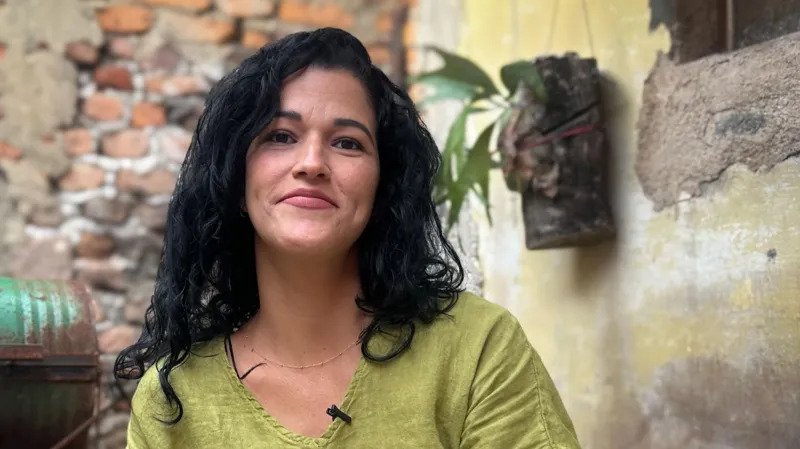
Mauren is a new mother who has health issues. She’s being monitored closely at a maternity specialist hospital. She is pregnant with diabetes and has high blood pressure, so she needs constant medical care. She is being treated by doctors with medicines and insulin, but the unstable electricity during birth raises concerns.
Despite these difficulties, the hospital staff continues to care for patients around-the-clock. Most hospitals rely on diesel generators. However, fuel shortages can make it difficult to run them for extended periods.
What to expect at home for expecting mothers
Conditions are worse outside hospitals. Long periods of time without power can affect daily activities, such as cooking and food storage.
Indira has lived without power for seven months in her house. She is often unable to cook in the daylight and must wait for a short window of time when power returns. She prepares what is available in those moments even if the food does not meet her pregnancy nutritional needs.
Her husband is a blacksmith and she can’t continue to work as a stylist while pregnant. Financial pressures and a lack of resources are causing stress for the family.
Limiting nutrition can cause health risks
Many pregnant women are facing increased health risks. Many women have experienced illnesses, such as mosquito-borne infections during pregnancy. These add to the strain placed on their health.
The availability of balanced meals also remains limited. Due to electricity shortages, many families have reported a reduction in protein and vitamin intake. It is a cause for concern both to mothers and their unborn children.
The Economic Stress and the Migration Issues
Cuba’s economic conditions are also having an impact on family planning. Due to the low salaries, job shortages, and migration of highly skilled workers, many young couples have doubts about having children.
Parents worry about the future prospects of their children’s education and employment. Families are influenced by the uncertainty of childbirth.
The Future Generations: Concerns about the future
Mothers-to-be express their deep concerns about the future of their children. Many fear that if the conditions don’t improve, they will have limited options in terms of education and employment.
Families continue to be concerned, but they also hope that the future will bring stability and improved living conditions.