
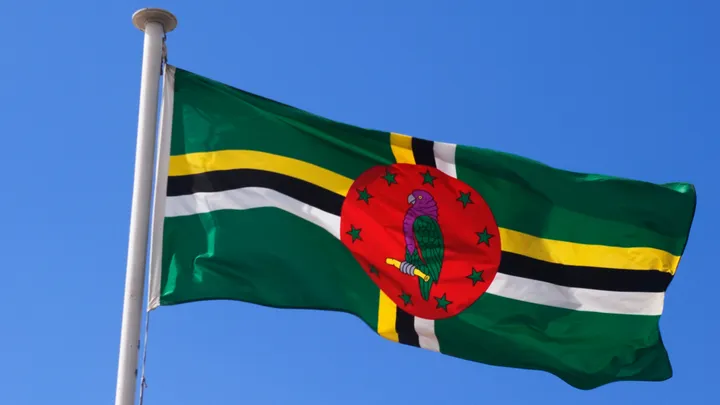
The United States has reached an agreement with the Caribbean nation of Dominica to transfer some asylum seekers arriving at the U.S. border to the island, according to The Associated Press. The move comes as part of President Donald Trump’s broader effort to expand deportation agreements with other countries.
Prime Minister Skerrit Highlights Collaboration
Dominica’s Prime Minister Roosevelt Skerrit called the agreement “one of the primary areas of collaboration” between the two nations, following recent U.S. restrictions on travel for Dominican nationals. Skerrit has been in ongoing discussions with U.S. officials since the White House announced partial visa limitations on December 16. He did not provide specifics on how many asylum seekers would be transferred or when the process would begin.
Emphasis On Safety And Security
Skerrit said the government is carefully considering the need to avoid receiving violent individuals or anyone who could compromise public safety. This highlights the island’s focus on security while participating in the agreement.
Lawful Travel Will Continue
Dominica clarified that U.S. authorities have confirmed that Dominican nationals with valid visas—such as tourist, business, or student visas—can still travel to the U.S. as usual. The government said it continues to work with the U.S. Embassy in Bridgetown and the State Department to ensure ongoing lawful travel under standard immigration rules.
Opposition Voices Concerns
Some political opposition leaders remain concerned about the agreement. Thomson Fontaine, leader of Dominica’s main opposition party, said the government has not explained key details, including how many asylum seekers will arrive, where they will be housed, or how they will be supported. With a population of roughly 72,000, Fontaine expressed worry about the island’s capacity to manage the influx.
Part Of Wider U.S. Strategy
The agreement with Dominica mirrors similar arrangements with countries like Belize and Paraguay, which aim to share responsibility for asylum seekers under Trump’s administration.