
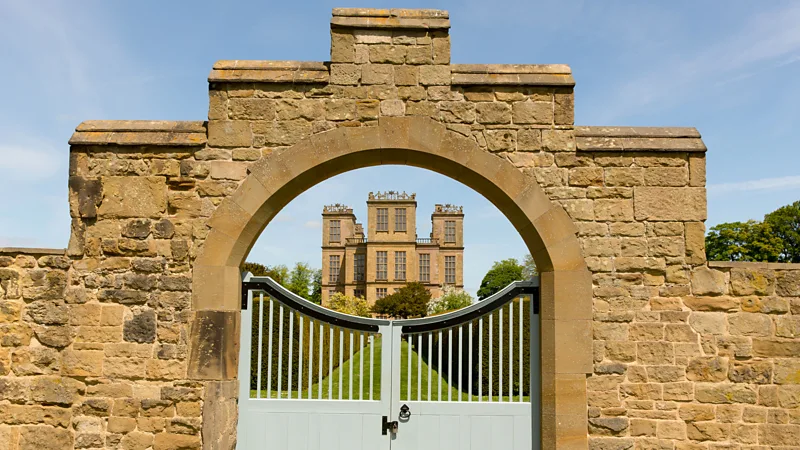
Elizabeth, or Bess, Countess of Shrewsbury, had the wealth and vision to create Hardwick Hall. She was partway through expanding the sprawling old hall when, for reasons historians still debate, she chose to start over. Some believe she inherited money after her husband’s death and wanted a home that matched her elevated status. Others think she wanted to apply what she had learned from earlier builds to create a house that was not just grand, but warm and comfortable—especially important for a woman in her seventies living through the bitter Little Ice Age.
Dagomar Degroot, a professor of environmental history at Georgetown University and author of The Frigid Golden Age, notes that the late 1500s were among the coldest stretches of this period. Winters in England were harsh and unpredictable. Even though global average temperatures dropped only about 0.5°C (less than 1°F) over five centuries, local weather swings could be dramatic, making everyday life a challenge.
Bess didn’t just rebuild Hardwick Hall to flash her cash, there was definitely more to it than that.
Hardwick Hall is a cool example of how folks years ago handled harsh weather. It can still give us some good ideas for making homes that look great and save energy.