Fed Lowers Rates for the Third Time This Year
The US Federal Reserve has reduced interest rates for the third time in 2024, despite growing disagreements among policymakers over what should happen next.
The central bank trimmed its benchmark lending rate by 0.25 percentage points, bringing it down to 3.50%–3.75%, the lowest level since 2021.
Fed officials remain split on how to balance a cooling job market and persistent inflation, which has made future decisions far less predictable.
One More Rate Cut Expected—For Now
New forecasts from the Fed show that policymakers expect one more rate cut next year, though officials have stressed that this outlook may shift as new data becomes available.
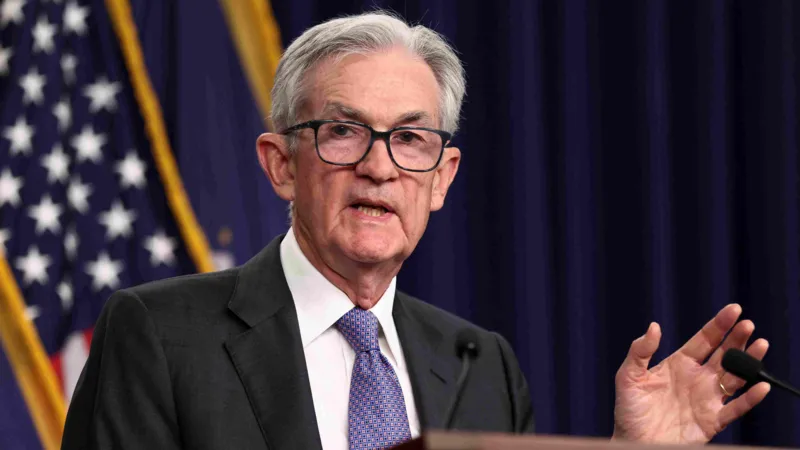
Fed Chair Jerome Powell said the committee needs time to understand how this year’s rate cuts will affect the broader economy.
“We are well-positioned to wait and see how the economy evolves,” Powell said.
Rising Tensions Inside the Fed
The vote to cut rates was not unanimous.
Three officials dissented:
- Stephen Miran pushed for a larger 0.5-point cut
- Austan Goolsbee and Jeffrey Schmid wanted to hold rates unchanged
These disagreements underscore widening divisions over the economic outlook.
President Donald Trump, who has repeatedly called for lower rates, said the Fed should have cut “at least double.”
Inflation vs. Unemployment
A months-long data blackout caused by the government shutdown has left the Fed with incomplete economic information.
Even so, the rise in unemployment—from 4.3% to 4.4%—has raised worries about a weakening labor market.
Inflation, meanwhile, climbed to 3%, still above the Fed’s 2% target.
Tariffs have increased some consumer prices, but recent softer inflation data has given the Fed more room to support jobs through lower rates.
Market analysts expect one or two more cuts next year, depending on economic trends.
A Debate Over the Fed’s Mandates
Powell acknowledged that such strong internal debate is “unusual.”
He said it reflects the tension between the Fed’s two mandates: keeping prices stable and maintaining low unemployment.
Despite the disagreements, Powell emphasized that the policymaking process remains collaborative and respectful.
New labor and inflation data arriving next week may further influence rate expectations. If the job market slows again, calls for another rate cut could strengthen.
Uncertainty Over Who Will Replace Powell
Adding to the uncertainty is President Trump’s ongoing search for the next Fed chair. Powell’s term ends in May, and the president may announce his decision within weeks.
Kevin Hassett, a key Trump economic adviser and former head of the Council of Economic Advisers, is widely seen as the frontrunner.
Other potential candidates include economist Kevin Warsh, Fed Governor Christopher Waller, and Treasury Secretary Scott Bessent.
Analysts warn that any nominee must demonstrate independence to avoid spooking financial markets.
When asked whether the search affects his work, Powell replied firmly: “No.”