
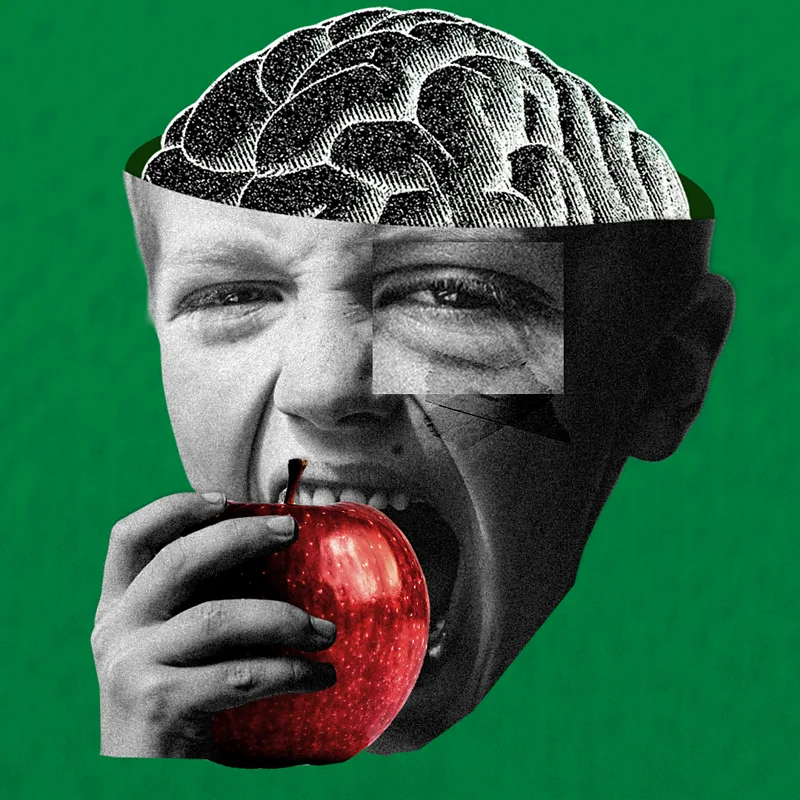
Emerging research shows that eating enough fibre doesn’t just help digestion—it can also protect your brain. Fibre strengthens the gut microbiome, which communicates with the brain through the gut-brain axis. This connection may slow cognitive decline and support overall mental health.
Why Most People Don’t Get Enough Fibre
Experts warn that fibre deficiency is a major health risk. Professor Karen Scott from the University of Aberdeen highlights that increasing fibre intake can significantly improve cognitive health. Yet globally, most adults fall short. In the US, nearly 97% of men and 90% of women eat less than the recommended daily amount. In the UK, over 90% of adults do not get enough fibre.
How Fibre Works in the Gut
Fibre is a carbohydrate that resists digestion. It adds bulk to stools, keeps you full for longer, and helps stabilize blood sugar levels. Studies show people who eat more whole grains tend to have lower BMI and less abdominal fat than those who rely on refined grains.
According to Professor John Cummings of the University of Dundee, a diet rich in fibre can even extend lifespan. His review found that people who consumed the most fibre had a 15-30% lower risk of death than those who ate the least. Consuming about 25-30 grams daily may reduce risks of heart disease, stroke, type 2 diabetes, and colon cancer.
Fibre and the Microbiome: Fuel for the Brain
Fibre feeds gut bacteria, producing beneficial compounds like short-chain fatty acids, including butyrate. These substances support gut lining health, reduce inflammation, and provide energy for cells. A healthy gut microbiome positively affects cognition, mood, and sleep.
High fibre intake is linked to lower dementia risk. A 2022 study of 3,700 adults found those consuming the most fibre performed better on cognitive tests and showed improved memory retention. A randomised control trial of twin pairs confirmed a causal link: participants who took a daily prebiotic fibre supplement improved their cognitive performance within three months.
Easy Ways to Add Fibre to Your Diet
Adding fibre to meals is simple. Incorporate whole grains, fruits, vegetables, pulses, nuts, and seeds. Examples include:
- A jacket potato with beans followed by an apple (around 16g of fibre)
- A handful of nuts or seeds (3-4g of fibre per 30g)
- Adding peas or lentils to pasta or blending chickpeas into pancake batter
Varying fibre sources encourages a diverse gut microbiome, which contributes to long-term health and cognitive function.
Final Thoughts
Fibre is more than a digestive aid—it is essential for brain health, longevity, and overall wellbeing. Eating a variety of plant-based foods every day supports your gut, fuels your brain, and may even protect against age-related cognitive decline.