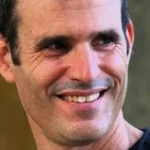
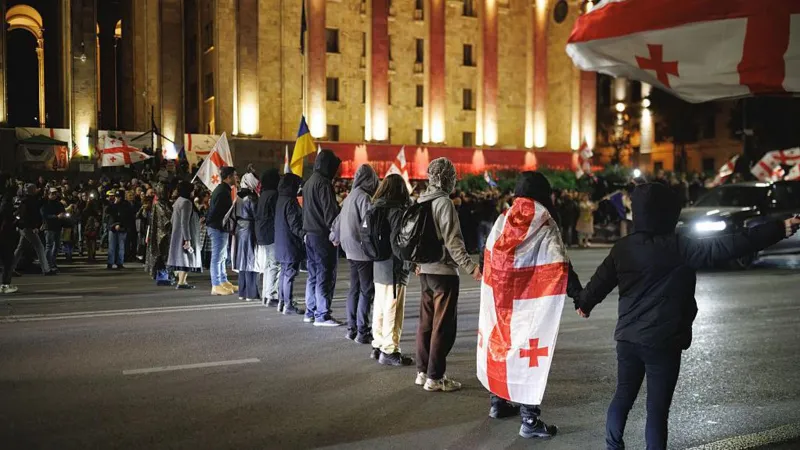
For more than a year, Giorgi Arabuli has taken to the streets of Tbilisi almost every night—driven by a belief that he’s fighting for Georgia’s future. The mass protests began after Prime Minister Irakli Kobakhidze announced a four-year freeze on the country’s progress toward joining the EU on 28 November 2024.
Tens of thousands of Georgians erupted in anger. The demonstrations were repeatedly met with harsh police tactics, but the movement refused to die down.
Giorgi, who grew up in the turbulent 1990s, recalls the instability and Russian influence that shaped those years. “We’re not going back to that,” he says firmly.
Over the past year, international critics have accused the Georgian Dream government of eroding democratic freedoms and adopting “Russian-style” governance. On the ground, the protest movement has transformed into a relentless battle of endurance.
Rustaveli Avenue, the heart of Tbilisi’s activism, was blocked nightly for months. But with new restrictive laws, heavy fines, and aggressive policing, demonstrators were forced to shift to nearby streets—still facing arrests every night.
The government has introduced severe penalties, including criminal charges and up to 14 days in jail for first-time road blockers. Repeat offenders risk up to a year behind bars.
Still, the resistance continues.
A banner reading “Freedom for regime prisoners” waves high as protesters march toward the Supreme Court. Among the detainees is opposition leader Zura Japaridze, one of six key figures jailed for refusing to testify before a parliamentary commission. They received sentences of up to eight months and are barred from public office for two years.
But their supporters insist: the government may try every tactic, but it has not—and will not—break the protest movement.
#GeorgiaProtests #TbilisiUnrest #StandWithGeorgia #DemocracyUnderThreat #EUIntegration #HumanRights #GlobalNews